

Northern Arizona offers a distinct contrast to the desert heat of the Phoenix metro area. Buyers looking for cooler temperatures and immediate outdoor access often narrow their search to two prominent communities. Choosing between Prescott, AZ vs Sedona, AZ involves weighing different landscapes, housing markets, and daily lifestyle factors. Working with the best real estate agent in Prescott helps buyers compare these local markets.
The defining features of these cities shape their respective real estate environments. Sedona centers around global tourism and striking natural beauty, driving a high-end housing market. Prescott maintains a traditional mountain town structure with a broader range of property types and everyday commercial infrastructure.
Both locations provide excellent access to outdoor recreation, but they cater to different types of buyers. Retirees, remote workers, and second-home investors all evaluate these markets differently based on budget and daily needs. Understanding the concrete differences between the two areas helps buyers make an informed relocation decision.
Home Prices and the Cost of Living
The financial commitment required to buy a home differs sharply between these two markets. As of May 2026, the median home price in Sedona sits around $1.2 million. Buyers looking in this area should expect premium pricing tied directly to property views and proximity to national forest land.
Prescott offers a more accessible entry point for relocation buyers. The median home price in Prescott is approximately $613,000, reflecting a larger inventory and more available land for development. Everyday expenses, including utility costs and grocery prices, also run lower in Yavapai County compared to the tourist-driven economy of Sedona.
Property taxes add another layer to the cost comparison. Sedona spans both Yavapai and Coconino counties, meaning a buyer's property tax rate depends entirely on which side of the city line a house sits. Prescott sits entirely within Yavapai County, where property tax rates remain relatively low compared to the national average.
The local economy impacts the cost of everyday services in both cities. Sedona relies on the hospitality industry, meaning local contractors, home maintenance services, and tradespeople often charge a premium to work in the area. Prescott features a larger permanent workforce, which creates more competition among service providers and keeps maintenance costs closer to state averages.
Types of Homes Available
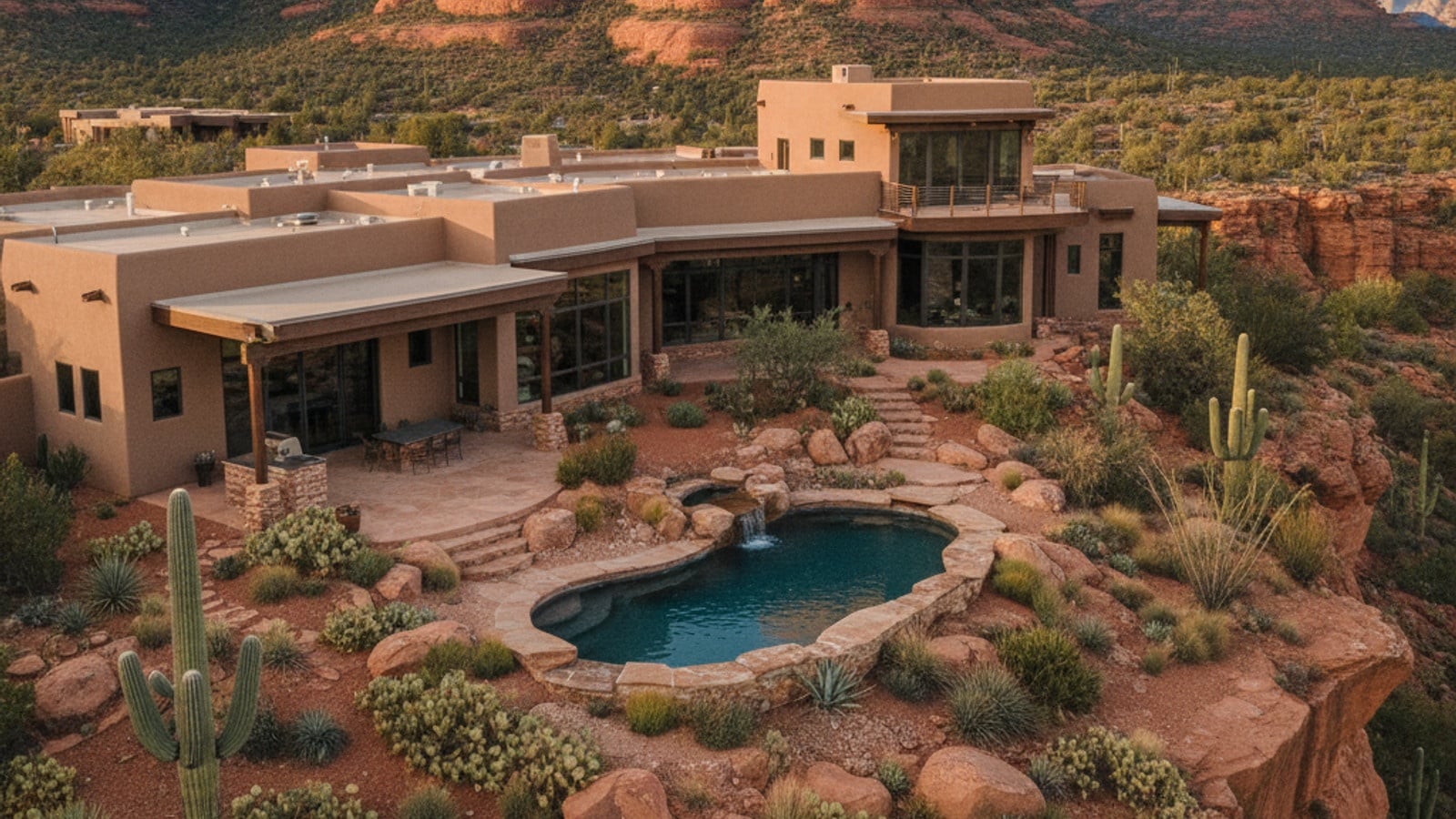
Sedona's housing inventory leans toward custom-built, view-oriented luxury homes. Many of these properties feature Southwestern contemporary architecture designed to blend with the surrounding red rock formations. Buyers should note that certain Sedona HOAs limit short-term rentals, which impacts those looking for a part-time getaway property.
The downtown area features historic Victorian homes near the Sharlot Hall Museum, while the outskirts offer extensive master-planned developments. Buyers seeking newer construction often look toward Prescott Valley, Arizona, where developers continue to build traditional suburban neighborhoods.
Lot sizes also vary considerably between the two markets. Sedona is landlocked by public lands, meaning new construction is limited and existing lots command premium prices. Prescott offers more opportunities for acreage, particularly in equestrian communities or custom home sites slightly removed from the city center.
Climate, Geography, and Outdoor Recreation
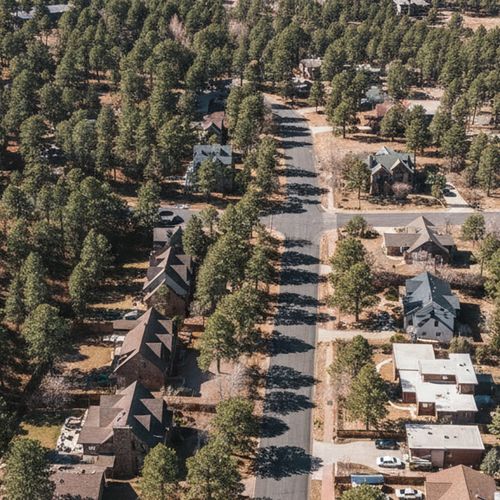
Elevation dictates the weather patterns across Northern Arizona. Prescott sits at an elevation of roughly 5,300 feet, surrounding residents with dense pine trees and the Prescott National Forest. This altitude delivers a true four-season climate, including occasional winter snowfall that typically melts within a few days.
Sedona rests lower at approximately 4,300 feet, resulting in slightly warmer temperatures year-round. The landscape transitions from high desert vegetation to the dramatic canyon walls of Oak Creek Canyon. While snow does fall in Sedona, it rarely accumulates on the valley floor for long.
Both locations offer immediate access to outdoor recreation, though the experiences differ. Prescott features miles of mountain biking trails and kayaking access at Watson Lake. Residents also enjoy hiking the Granite Mountain wilderness area just outside of town.
Sedona draws international hikers to iconic trails near Cathedral Rock and Bell Rock. The area is famous for its vortex sites and expansive trail network connecting directly to residential neighborhoods. However, residents regularly deal with heavy tourist traffic along Route 89A during peak seasons.
Summer monsoons impact both cities during July and August. These afternoon rainstorms cool the air and bring moisture to the region, temporarily turning the landscapes green. Buyers should ensure properties in both locations have proper drainage to handle sudden, heavy rainfall.
Healthcare Access and Local Amenities
Medical infrastructure is a primary consideration for retirees comparing these cities. Prescott serves as the primary healthcare hub for the region. Dignity Health Yavapai Regional Medical Center operates a major campus here, which includes a dedicated heart center and a recently expanded 2026 outpatient facility.
Sedona residents rely on the Verde Valley Medical Center Sedona campus for emergency services and routine outpatient care. However, complex procedures and specialized treatments often require travel outside the immediate area. Patients needing major operations or extensive cancer care typically drive to the main hospital in Cottonwood or north to Flagstaff.
Daily shopping and commercial access also separate the two towns. Prescott features a large retail footprint with major big-box stores, national grocery chains, and a traditional downtown square. Residents can find almost any commercial service they need without leaving the city limits.
Sedona focuses its commercial space on boutique shopping, art galleries, and dining. While the city has grocery stores and basic retail, residents often travel to neighboring communities for bulk goods or specialized services. The old town area of Cottonwood frequently serves as a practical shopping alternative for Sedona locals.
Transportation infrastructure plays a role in daily convenience. Prescott Regional Airport offers commercial flights, connecting residents directly to larger hubs. Sedona Airport caters exclusively to private aviation, meaning most commercial flyers drive two hours south to Phoenix Sky Harbor International Airport.
Local Economy and Remote Work Infrastructure
The economic engines driving these two cities look entirely different. Sedona operates a tourism-based economy, meaning local businesses focus primarily on hospitality, dining, and outdoor guiding. Professionals moving to the area usually bring their own remote jobs or are entering retirement.
Prescott supports a more diversified local economy. The presence of Yavapai College and Embry-Riddle Aeronautical University provides steady education-sector employment. Local government, healthcare, and retail also provide thousands of jobs for year-round residents.
Internet Reliability and Utilities
Remote workers evaluating these cities should pay close attention to broadband availability. Prescott features widespread fiber-optic internet access across most of its master-planned communities. Buyers looking at rural properties outside the city limits should verify connection speeds during the inspection period.
Sedona presents unique challenges for internet infrastructure due to its rugged terrain. While central neighborhoods have reliable high-speed connections, properties tucked deep into the canyons sometimes experience spotty service. Satellite internet has become a popular solution for homeowners living on the outskirts of the Verde Valley.
Exploring the Surrounding Region
The location of a primary residence dictates how easily residents can explore the rest of the state. Sedona sits in the heart of the Verde Valley, providing quick access to surrounding wineries and historical sites. Residents frequently visit the Verde River for kayaking or tour the ancient ruins at Tuzigoot National Monument.
Sedona also offers a more direct route to the Grand Canyon. Drivers can reach the South Rim in about two hours by heading north through Flagstaff. This proximity makes hosting out-of-town guests and organizing sightseeing tours straightforward.
Prescott is positioned further west, bordering expansive national forest lands and high desert plains. The city serves as a gateway to historic mining towns like Jerome and rural ranching communities. While the drive to the Grand Canyon takes slightly longer from Prescott, residents have easier access to the western edges of the state and the Colorado River.
State Parks and National Monuments
Arizona maintains an impressive network of preserved lands around both municipalities. Near Sedona, Slide Rock State Park offers a natural water slide that draws thousands of visitors during the summer months. Red Rock State Park provides a more controlled environment for environmental education and guided nature walks.
Prescott residents utilize a different set of public lands for their recreation. The city borders the Prescott National Forest, which encompasses over 1.2 million acres of public land. Local favorites include Goldwater Lake and Lynx Lake, both of which prohibit gas-powered boats to preserve a quiet environment.
Frequently Asked Questions
What is the driving distance between Sedona and Prescott?
The drive between the two cities takes about 90 minutes, covering roughly 60 miles. Most drivers take State Route 89A through the Verde Valley, passing near the Tuzigoot National Monument along the way. This route makes a day trip between the locations easy, though holiday weekend traffic can extend the travel time.
Which city has a lower cost of living, Prescott or Sedona?
Prescott offers a lower overall cost of living across housing, groceries, and services. A buyer purchasing a median-priced home in Prescott spends about half of what they would on a median-priced property in Sedona. Gas prices and dining out also cost less in Prescott due to its larger, locally focused economy.
Is Prescott cooler than Sedona in the summer?
Yes, summer high temperatures in Prescott generally run 5 to 10 degrees cooler than in Sedona. This difference stems directly from Prescott being 1,000 feet higher in elevation. During July, Prescott often stays in the upper 80s, while Sedona frequently pushes into the mid-to-upper 90s.
Check out this article next