

Buyers looking at Northern Arizona often weigh the differences between two distinct mountain towns. Both cities offer relief from the intense summer heat of Phoenix, AZ, but they deliver entirely different living experiences. Choosing between these locations comes down to your budget, weather preferences, and daily lifestyle needs. Finding the right property is much easier when you work with the best real estate agent in Prescott.
The elevation difference alone shapes the housing market, local economy, and daily commute in each town. While both areas have seen sustained growth through recent years, their real estate markets operate at different price points today. Understanding these concrete differences will help you determine which market fits your relocation plans.
Weather and Elevation Differences
Elevation dictates the climate in Northern Arizona. Flagstaff, AZ sits at 7,000 feet above sea level, placing it squarely in the middle of the world's largest contiguous ponderosa pine forest. Prescott, AZ rests lower at 5,300 feet, featuring a high-desert landscape with a mix of scrub oak, chaparral, and pine trees.
This 1,700-foot gap creates distinct weather patterns for each city. Flagstaff experiences a true four-season climate, receiving over 100 inches of snow during an average winter. Summer high temperatures in Flagstaff rarely exceed 85 degrees, making it a popular seasonal retreat.
Prescott offers a milder variation of the four-season experience. The city sees occasional winter snowfall, but it usually melts within a day or two. Summer temperatures in Prescott regularly reach the lower 90s, though the dry air and cool evenings keep the climate comfortable.
2026 Home Prices and Property Types
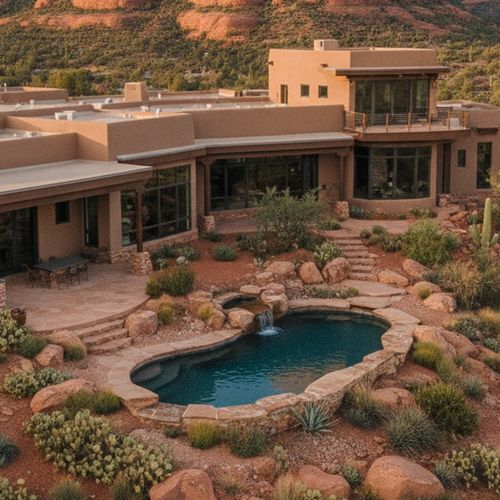
The median home price in Prescott, AZ currently hovers around $600,000 as of mid-2026. Buyers exploring this market will find a mix of historic homes near the downtown plaza, mid-century ranch houses, and newer construction in master-planned communities. The varied terrain means many lots feature boulders, slopes, or high-desert views.
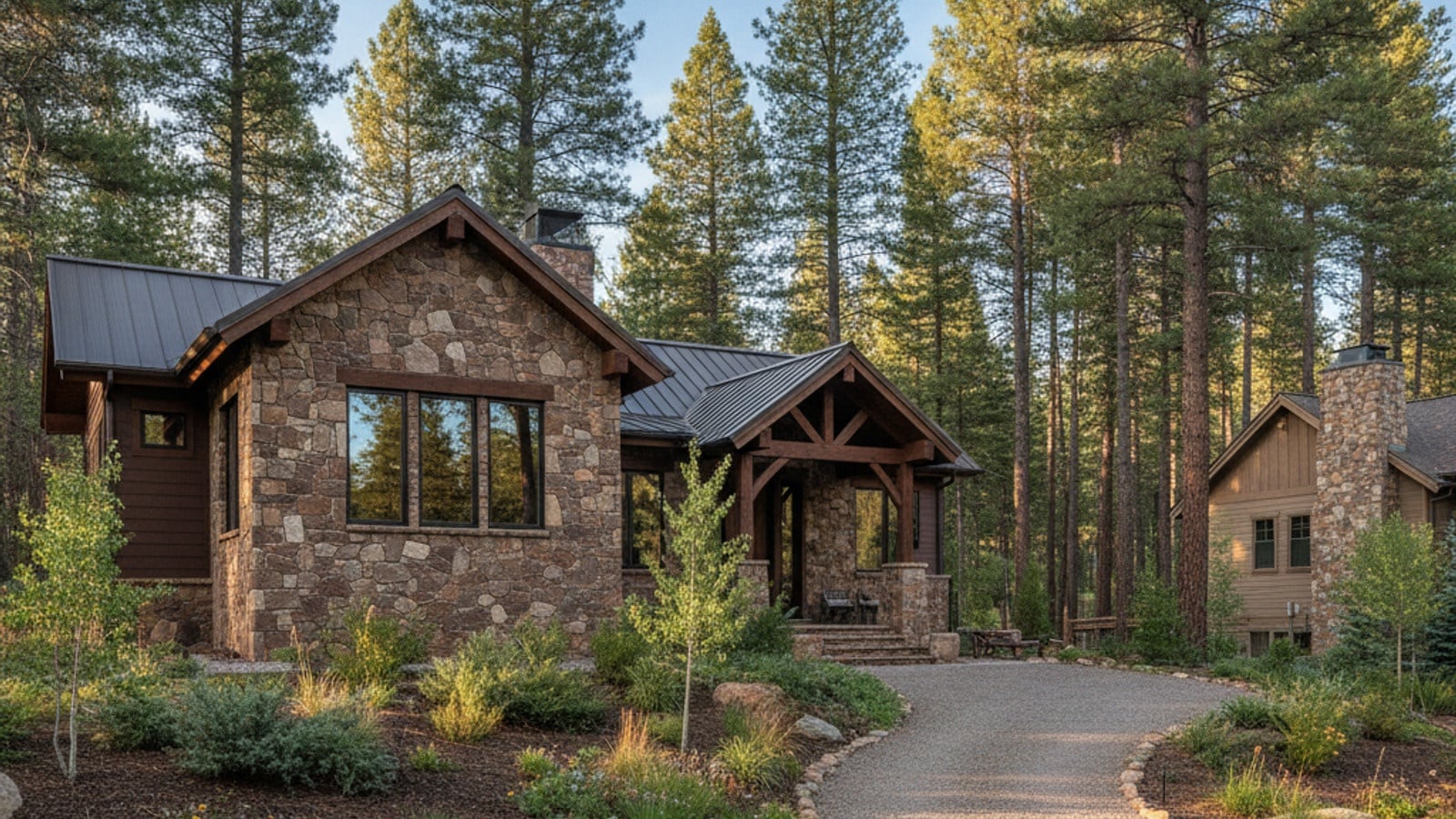
Flagstaff operates at a higher price point, with median home prices ranging from the mid-$700,000s to the $800,000s. The premium pricing reflects a limited supply of buildable land surrounded by national forest boundaries. Buyers here often look at mountain-style cabins, modern townhomes, and single-family properties built into forested lots.
Price per square foot also differs between the two markets. Flagstaff buyers pay a noticeable premium for space, driven by demand from both full-time residents and second-home investors. Prescott offers slightly more purchasing power, though inventory in the most desirable historic neighborhoods moves quickly.
Daily Expenses and Overall Affordability
Both cities carry a cost of living that exceeds the United States national average. Housing costs remain the primary driver of these elevated expenses. Since Flagstaff commands higher home prices, its overall affordability index is lower than Prescott's.
Daily expenses like groceries, utilities, and transportation also show slight variations. Flagstaff's colder winters require higher heating budgets, while Prescott residents might spend more on summer air conditioning. Gas prices and grocery costs in both towns reflect their relative distance from major distribution hubs in Phoenix, AZ.
Taxes play a role in the long-term affordability of each location. Property taxes in Arizona remain relatively low compared to other states, but the higher assessed property values in Flagstaff translate to larger annual tax bills. Buyers should factor these carrying costs into their monthly budgets before making an offer.
Parks, Trails, and Outdoor Access
Access to public lands is a major draw for buyers moving to Northern Arizona. Both locations offer extensive trail networks right outside city limits. The terrain dictates the types of activities available in each region.
Prescott's landscape features dramatic granite formations and man-made reservoirs. Flagstaff provides alpine environments and access to Arizona's tallest mountains.
Flagstaff Recreation: The city offers immediate access to the San Francisco Peaks and the Arizona Snowbowl ski resort. Residents also benefit from a massive network of mountain biking trails and a short drive to the Grand Canyon.
Prescott Recreation: The area is known for the Granite Dells, a series of exposed bedrock formations surrounding Watson Lake. The Prescott National Forest provides hundreds of miles of multi-use trails for hiking, biking, and horseback riding.
Local Employers and Healthcare Access
Economic drivers and infrastructure differ noticeably between the two cities. Flagstaff functions as a regional hub for Northern Arizona, supporting a larger seasonal and student population. Prescott operates with a more localized economy focused on healthcare, government services, and trades.
Medical access is a priority for many relocating buyers. Both cities maintain full-service regional hospitals, but they serve different coverage areas.
Higher Education: Northern Arizona University anchors Flagstaff, bringing thousands of students and academic jobs to the city. Yavapai College serves Prescott with two-year degree programs and vocational training.
Major Healthcare: Flagstaff Medical Center operates as the primary Level 1 Trauma Center for the northern half of the state. Yavapai Regional Medical Center provides comprehensive care for Prescott and the surrounding quad-city area.
Primary Employers: Government agencies, the tourism sector, and educational institutions provide the bulk of local jobs in both municipalities.
Historic Districts and Local Attractions
The downtown areas reflect the distinct historical roots of each city. Prescott centers around the Courthouse Plaza, a traditional town square bordered by local businesses. The famous Whiskey Row sits directly across from the plaza, featuring restored saloons, art galleries, and restaurants housed in late 1800s architecture.
Flagstaff's downtown developed alongside the railroad and historic Route 66. The area carries a distinct college town atmosphere, with a high concentration of craft breweries, coffee shops, and independent outdoor gear retailers. The architecture features heavy stone and brick construction suited for the alpine environment.
Entertainment options cater to different interests in each location. Flagstaff leans into its status as a Dark Sky City, with the Lowell Observatory serving as a major local fixture. Prescott hosts numerous art fairs, classic car shows, and outdoor concerts around its central plaza throughout the year.
Common Questions About Moving to Northern Arizona
Is Flagstaff more expensive than Prescott?
Yes, purchasing a home in Flagstaff requires a larger budget. Buyers can expect to pay roughly $150,000 to $200,000 more for a median-priced property in the alpine city. This price gap translates to higher monthly mortgage payments and larger down payment requirements.
Which city gets more snow, Prescott or Flagstaff?
Flagstaff receives much more winter precipitation due to its 7,000-foot elevation. While Prescott might see a few inches that melt by afternoon, Flagstaff routinely measures its seasonal snowfall in feet. Residents in the higher city must plan for regular snow removal and winter driving conditions.
How far apart are Prescott and Flagstaff?
The drive between the two cities covers about 95 miles and takes roughly 90 minutes under normal conditions. Most drivers take State Route 89A through Sedona, AZ or use Interstate 17. The route features noticeable elevation changes and winding mountain roads.
Check out this article next