

Yavapai County draws thousands of buyers moving north from Phoenix, AZ to escape the summer desert heat. Many rely on the best real estate agent in Prescott to find the right property. With elevations sitting between 5,100 and 5,300 feet, this region offers a mild four-season climate and cooler temperatures year-round. The area provides a distinct mountain environment while remaining close enough to major urban centers for weekend trips.
Buyers comparing Prescott, AZ vs Prescott Valley, AZ often assume the two municipalities are identical. While their city centers sit just eight miles apart, they offer entirely different housing styles, price points, and daily routines. The physical distance is short, but the built environments contrast sharply.
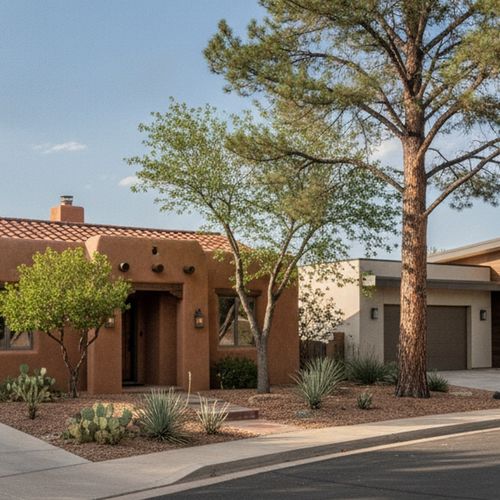
Prescott operates as the historic center of the region, featuring 19th-century architecture and densely forested terrain. The town of Prescott Valley provides a master-planned suburban layout that appeals to buyers seeking modern conveniences. Builders like Capstone Homes have shaped much of the newer regional development here, offering contemporary floor plans in organized subdivisions.
Local agencies like Home Team Prescott frequently guide buyers through this specific municipal comparison. Choosing between the two locations comes down to your budget, commute tolerance, and preference for historic properties versus newer construction.
Comparing Housing Costs and Home Styles
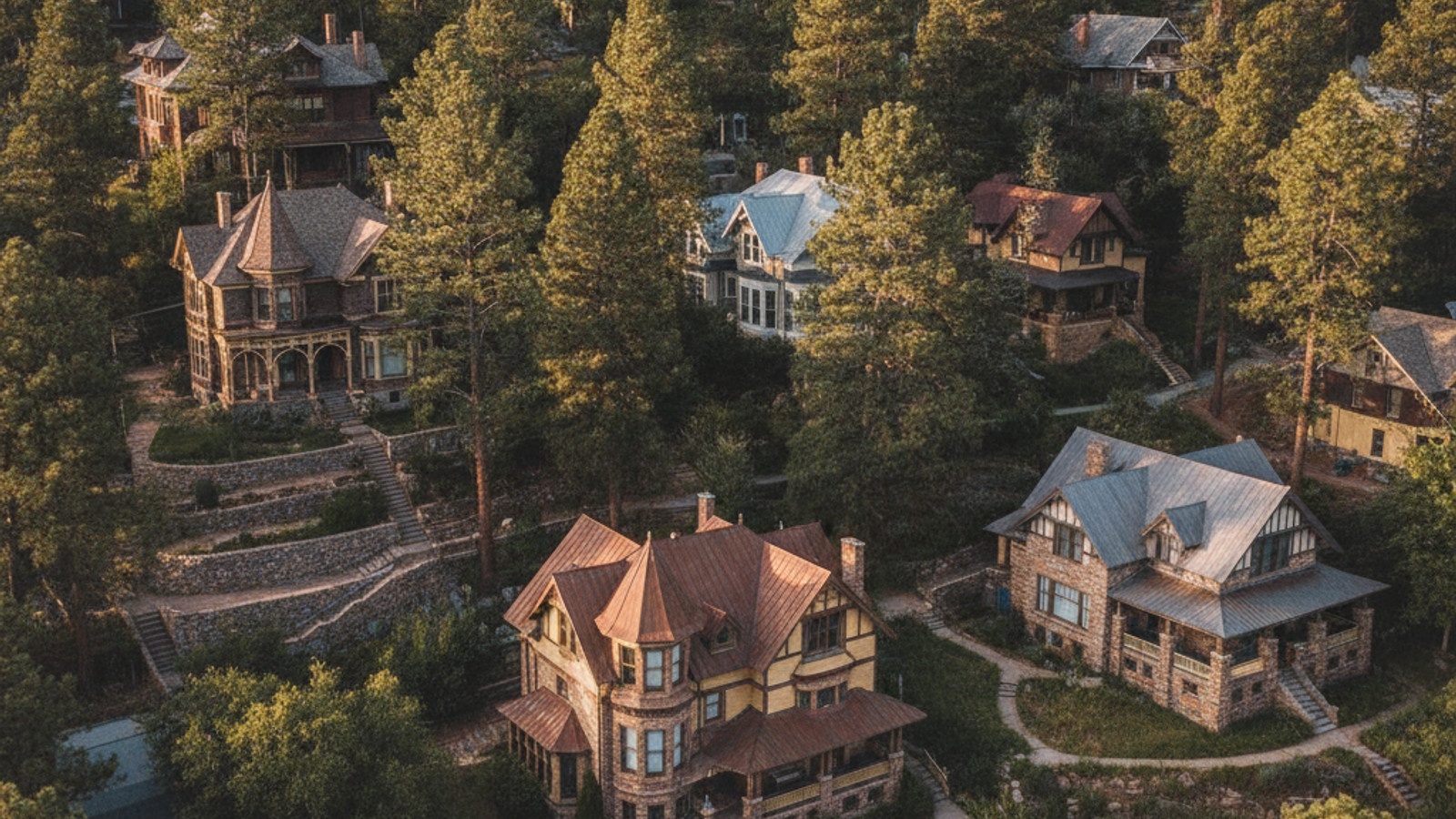
The median home price in Prescott currently hovers between $595,000 and $603,000. Buyers looking here will find older homes, historic properties near downtown, and custom builds tucked into the pine trees. The terrain often dictates the lot size and house style, leading to a wide variety of unique architectural designs built into sloped, wooded lots.
Just a few miles away, Prescott Valley offers a more accessible entry point for real estate. The median home price in this municipality sits lower, ranging from $460,000 to $464,000 in mid-2026. This lower price point attracts buyers who prioritize square footage and modern amenities over historic character.
This price difference reflects the age and style of the local housing inventory. Prescott Valley consists largely of newer construction, planned subdivisions, and properties governed by an HOA. These neighborhoods feature uniform streetscapes, paved sidewalks, and community centers that appeal to buyers looking for a predictable suburban environment.
In contrast, Prescott features homes dating back to the early 1900s, including Victorian styles and Craftsman bungalows. Buyers seeking homes without HOA restrictions often focus their search on the older neighborhoods surrounding the downtown core. Buyers should budget for higher maintenance costs when purchasing these historic properties.
Both locations benefit from Yavapai County property tax rates. The effective property tax rate averages 0.44% to 0.54%, keeping carrying costs low compared to the national average.
On a $500,000 home, this translates to roughly $2,200 to $2,700 annually in property taxes. Arizona property taxes are paid in arrears, which buyers should factor into their closing costs.
Local Amenities and Outdoor Recreation
Downtown Prescott centers around Courthouse Plaza and the famous Whiskey Row. This historic downtown area features localized dining, independent retail shops, and frequent outdoor events like summer art shows. The traditional grid layout makes the central district easy to walk, drawing both locals and tourists throughout the year.
Prescott Valley provides a modern, retail-focused alternative to the historic downtown experience. The PV Entertainment District and the Findlay Toyota Center serve as the main hubs for regional sports, concerts, and large-scale events. Residents here have immediate access to larger chain stores and modern shopping centers along the main commercial corridors.
Both municipalities offer extensive outdoor access, though the landscapes differ based on the immediate geography:
Prescott features rugged terrain, including kayaking at Watson Lake and miles of trails through the dense timber of the Prescott National Forest.
Prescott Valley leans toward organized recreation, with numerous athletic fields, paved walking paths, and community spaces managed by Prescott Valley Parks & Recreation.
This geographic difference also affects the local flora. Prescott sits slightly higher in elevation and features dense stands of Ponderosa pines. Prescott Valley sits slightly lower, characterized by open grasslands and high desert scrub that offer expansive views of the surrounding mountains.
Commute Times and Highway Access
State Route 69 connects these two municipalities, handling the bulk of local daily traffic. Driving between the city centers takes about 15 to 20 minutes under normal conditions, covering a distance of 8 to 12 miles. This route features numerous traffic lights and commercial turnoffs, which dictates the pace of travel.
Traffic on SR 69 slows down during morning and afternoon peak hours. The intersection of SR 69 and Glassford Hill Road serves as a major traffic point in Prescott Valley, handling heavy daily volume. Buyers should test this drive during rush hour if they plan to live in one town and work in the other.
Residents in Prescott Valley often utilize Fain Road and Highway 169 for slightly faster access to Interstate 17. This bypass route allows drivers to avoid the central Prescott traffic when heading south toward the Phoenix metro area.
For longer trips, residents in both areas face a similar drive to major metro hubs. Phoenix, AZ and its international airport are approximately 100 miles south, requiring a drive of about one and a half to two hours. Flagstaff, AZ sits to the northeast, offering winter sports access within a similar driving window.
Healthcare Facilities and School Districts
Yavapai Regional Medical Center, part of the Dignity Health network, serves as the primary healthcare provider for this portion of Northern Arizona. The hospital system operates two main campuses, with the West Campus located in Prescott and the East Campus situated in Prescott Valley. This dual-campus approach ensures residents in both towns have nearby access to emergency and specialized care.
This extensive medical network is a major draw for buyers evaluating the local infrastructure. The presence of major medical facilities in both municipalities means buyers do not have to compromise on healthcare access regardless of which town they choose.
Public education is divided by municipal boundaries and managed by separate administrative bodies. Students residing in Prescott attend the Prescott Unified School District, which operates schools near the historic center. Prescott Valley is served by the Humboldt Unified School District, which manages the newer campuses in the suburban subdivisions.
Both districts maintain their own public parks, athletic fields, and community facilities. Buyers should review specific school boundaries carefully, as some zip codes overlap with differing municipal services. Verifying the exact district for a specific address prevents surprises after closing.
Frequently Asked Questions
Is it more expensive to live in Prescott or Prescott Valley?
Prescott generally carries a higher cost of living due to its premium real estate. With median home prices near $600,000, buyers pay more for the forested lots and historic proximity. Prescott Valley offers immediate savings with median prices closer to $462,000, leaving buyers with lower monthly mortgage payments.
Are HOAs common in Prescott or Prescott Valley?
Homeowners associations are standard across Prescott Valley. The town grew through master-planned subdivisions, which rely on HOAs to maintain shared spaces and enforce neighborhood rules. Prescott has fewer HOAs overall, particularly in the older neighborhoods surrounding the downtown core.
Is Prescott Valley part of Prescott?
No, they are distinct municipalities with their own local governments. Prescott Valley incorporated as a separate town in 1978 and manages its own zoning, police force, and civic services. While they share a county and sit just minutes apart, residents pay taxes to their respective municipal entities.
Check out this article next