

Yavapai County spans over 8,100 square miles, offering drastically different environments within a short drive. Homebuyers and retirees looking to relocate to Northern Arizona often narrow their search down to two distinct municipal hubs. Consulting the best real estate agent in Prescott, AZ makes comparing these local markets easier.
Choosing between Prescott, AZ vs Cottonwood, AZ means deciding between a mile-high mountain town and a warmer valley setting. Both cities provide access to public lands, established downtowns, and regional medical facilities. The right choice depends on your budget, preferred climate, and daily lifestyle needs.
Real Estate Prices and Housing Options
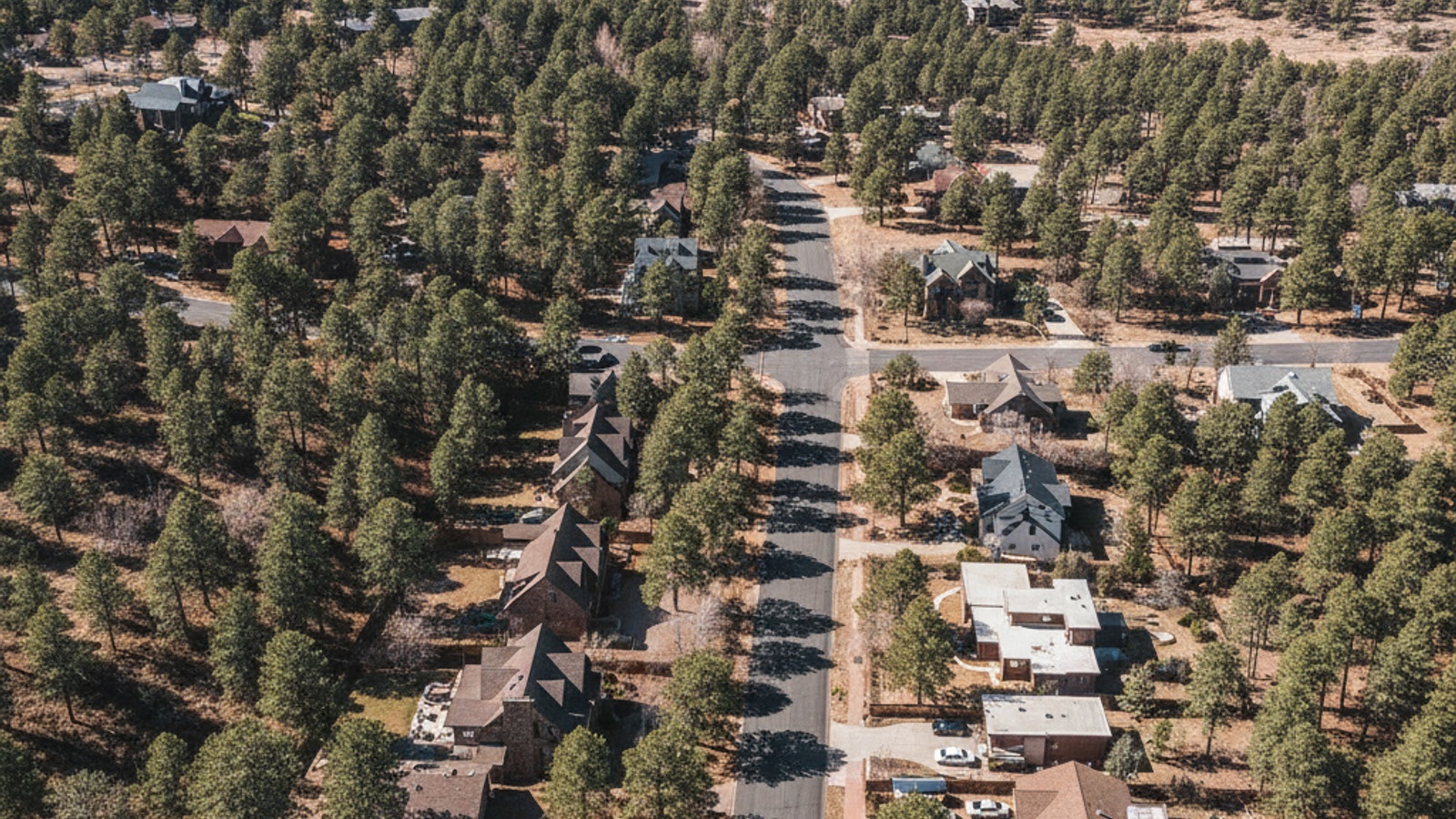
The median home price in Prescott currently sits around $613,000. Buyers here will find historic properties near the downtown plaza and larger, wooded lots tucked into the surrounding pine forests. This higher price point reflects the city's status as a primary hub for the region.
Homes for sale in the Prescott market often feature mountain-lodge architecture or mid-century ranch layouts. Buyers can find established neighborhoods near the downtown core or seek out gated communities further into the hills. This variety supports different budgets, though the overall entry point remains higher than neighboring towns.
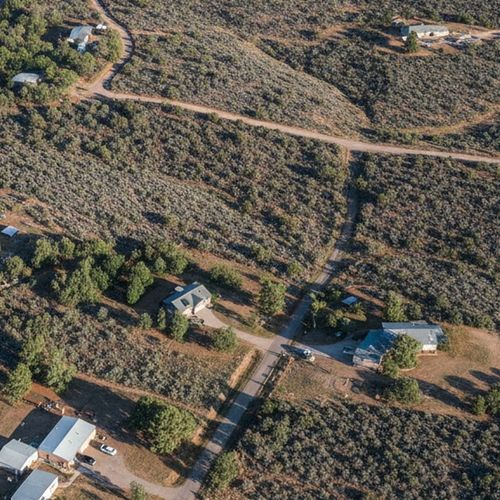
Cottonwood offers a more accessible entry point, with median home prices ranging between $371,000 and $385,000. The inventory consists largely of newer builds, planned subdivisions, and available lots ready for construction. Buyers looking to maximize their square footage often focus their search here.
The housing market in Cottonwood has expanded rapidly as buyers seek affordable alternatives to Sedona, AZ and Flagstaff, AZ. Builders have focused on single-story properties with modern floor plans and energy-efficient cooling systems. This new construction wave provides ample options for buyers who want move-in ready spaces.
Property taxes in both municipalities fall under the Yavapai County umbrella. The average effective property tax rate runs between 0.44% and 0.6%, keeping annual holding costs relatively low compared to the national average. Buyers should also factor HOA fees into their monthly budget estimates. Arizona does not charge a real estate transfer tax, though a small county recording fee applies at closing.
How Elevation Changes the Climate
Prescott sits at an elevation of roughly 5,300 feet above sea level. This geographical positioning results in cooler summer temperatures and measurable winter snowfall. Residents experience four distinct seasons, requiring homes to be equipped for both freezing winter nights and warm summer afternoons.
Winter in Prescott requires proper home insulation and seasonal vehicle preparation. The city receives enough snowfall to impact morning commutes a few times each year. Homeowners here routinely winterize their sprinkler systems and maintain heating units to handle freezing overnight lows.
Down in the lower Verde Valley, Cottonwood sits closer to 3,300 feet in elevation. This 2,000-foot drop creates a warmer year-round environment with minimal winter precipitation. The valley floor rarely sees accumulating snow, making it appealing for buyers who want to avoid winter maintenance.
Cottonwood experiences intense summer heat, with daytime highs frequently exceeding 100 degrees from June through August. Residents rely on robust air conditioning systems and shade structures to manage the climate. The trade-off comes during the winter, when the valley enjoys mild, sunny afternoons.
These weather patterns directly impact monthly utility costs and landscaping choices. Prescott properties often feature native pine trees and require more winter heating energy. Cottonwood yards typically support desert-adapted plants and demand more air conditioning during the peak summer months.
Medical Centers and Everyday Shopping
Healthcare access remains a primary consideration for buyers moving to Northern Arizona. Both cities support major regional hospitals with specialized care departments. Yavapai Regional Medical Center serves the Prescott area, while Verde Valley Medical Center operates in Cottonwood.
Daily conveniences and retail options differ in scale between the two locations. Prescott functions as the larger commercial center, anchored by the historic Courthouse Plaza, local museums, and Whiskey Row. The neighboring town of Prescott Valley, AZ also provides access to large big-box retailers and regional shopping centers.
The culinary scene in Prescott caters to a large resident population and steady tourist traffic. Restaurants range from casual diners along Gurley Street to upscale steakhouses near the courthouse. Residents can find almost any major grocery chain within a short drive of the city center.
Cottonwood provides a more concentrated retail footprint centered around its historic district. Old Town Cottonwood features independent restaurants, tasting rooms, and boutique storefronts. Highway 89A serves as the main commercial corridor for grocery stores, while additional retail hubs in neighboring Camp Verde, AZ sit just 30 minutes away.
Cottonwood has transformed its historic Main Street into a recognized dining and tasting destination. The commercial district focuses strongly on local businesses rather than national chains. For major bulk shopping, residents often make the quick trip to big-box stores in neighboring communities.
Local Parks and Trail Access
Prescott is surrounded by the Prescott National Forest, providing immediate access to miles of public land. Watson Lake offers kayaking and paddleboarding against a backdrop of granite boulders. Hikers and mountain bikers frequently use the trail systems around Thumb Butte and the Granite Dells.
Beyond Watson Lake, Prescott maintains several other reservoirs, including Lynx Lake and Goldwater Lake. These bodies of water prohibit motorized boats, creating calm environments for fishing and kayaking. The surrounding pine forests offer shaded picnic areas during the warmer months.
Cottonwood centers its outdoor recreation around the Verde River. Dead Horse Ranch State Park sits right at the edge of town, offering fishing lagoons, equestrian trails, and river access points. The surrounding Verde Valley provides lower-elevation hiking that remains accessible throughout the winter months.
Cottonwood serves as a central launching point for exploring the broader Verde Valley. The nearby Tuzigoot National Monument provides paved walking paths through ancient ruins. Outdoor enthusiasts also use the city as a basecamp for accessing the red rock trailheads just up the highway.
Both municipalities maintain extensive paved and unpaved trail networks. Buyers who prioritize daily outdoor activity will find dedicated paths connecting residential neighborhoods to these larger public lands.
Drive Times and Regional Schools
Traveling between Prescott and Cottonwood covers about 44 miles along Route 89A over Mingus Mountain. This scenic drive takes approximately one hour and 15 minutes under normal conditions. The winding mountain road can experience delays during winter storms or heavy tourist traffic.
Traffic in Prescott concentrates around the downtown plaza and the main arteries connecting to Prescott Valley, AZ. Rush hour delays are minimal compared to major metropolitan areas, but summer weekends bring an influx of visitors. Commuters learn to use alternate routes during major downtown events.
Reaching the Phoenix, AZ metropolitan area takes about 1.5 to 2 hours from either starting point. Cottonwood residents have a shorter drive to nearby Sedona, AZ and Flagstaff, AZ. Commuters should test these routes during peak hours before committing to a daily drive.
Cottonwood traffic moves primarily along Highway 89A and State Route 260. The city serves as a transit corridor for travelers heading toward the mountains, which can cause congestion during holiday weekends. Local drivers benefit from a grid system that makes moving through the residential areas straightforward.
The public education system in Prescott operates under the Prescott Unified School District. Cottonwood students attend the Cottonwood-Oak Creek School District for primary grades and the Mingus Union High School District. Higher education options in the region include Prescott College and multiple campuses of Yavapai College.
Frequently Asked Questions
What is the weather like in Prescott compared to Cottonwood, AZ?
The two cities experience completely different weather cycles due to their geography. You will need a snow shovel in Prescott during January, while Cottonwood residents might only need a light jacket. Summer days in the Verde Valley routinely hit 100 degrees, whereas the mountain air keeps Prescott closer to the upper 80s.
How far is Cottonwood from Prescott?
The physical distance is just over 40 miles, but the mountainous terrain extends the travel time. Plan for a 75-minute drive when crossing over Mingus Mountain on State Route 89A. The small town of Jerome, AZ sits right along this route, often slowing traffic during busy weekend afternoons.
What is the housing market like in Prescott vs. Cottonwood, AZ?
Prescott commands a premium price tag with a median hovering near $613,000, driven by its larger size and historic appeal. Cottonwood presents a more budget-conscious alternative, with average prices sitting closer to $380,000. Buyers will find more mature, forested lots in the mountains, while the valley offers more recent subdivision developments.
Check out this article next