

Buyers looking at Yavapai County often find themselves weighing Prescott, AZ vs Chino Valley, AZ. Working with the best real estate agent in Prescott AZ can help clarify which town fits your needs. The two towns sit just 15 miles apart along Highway 89, but they offer completely different lifestyles and housing markets.
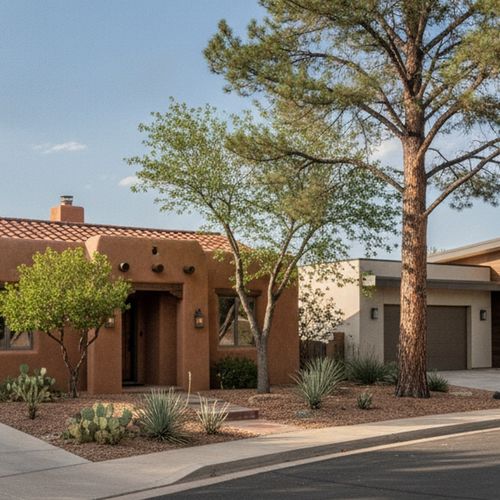
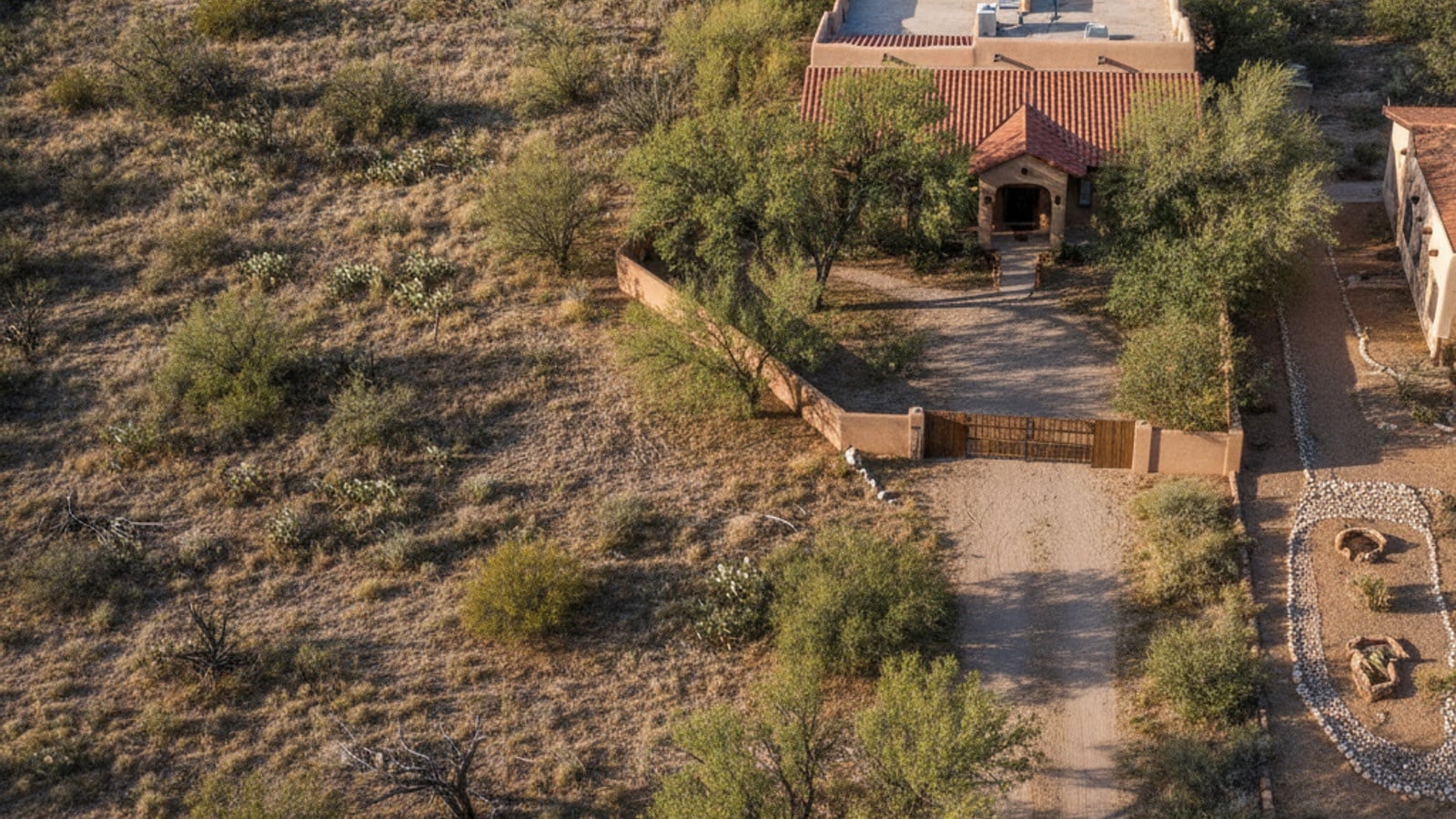
Prescott delivers historic homes, forested hillsides, and a busy downtown core. Chino Valley provides open acreage, agricultural zoning, and a high desert landscape with more room to spread out.
Choosing between the two comes down to your budget, commute tolerance, and how much land you want to maintain. Median home prices and property types vary widely between these neighboring municipalities.
Geography and Climate Differences
Elevation drives the weather patterns in this part of Arizona. Prescott sits at roughly 5,347 feet, placing it squarely in the pines with cooler summer temperatures and occasional winter snowstorms.
Chino Valley rests lower at about 4,750 feet in elevation. This 600-foot drop shifts the landscape from dense forest to open, high desert plains with sweeping views of the surrounding mountains.
Both towns experience the Arizona monsoon season, which brings heavy afternoon rain showers from July through September. Chino Valley generally sees slightly warmer summer days and less winter snow accumulation than the Prescott area.
Housing Markets and Property Types
The median home price in Prescott, AZ hovers around $613,000 as of mid-2026. The housing inventory here consists primarily of established subdivisions, historic downtown properties, and mountain-view estates.
Buyers in Prescott often deal with smaller lot sizes and more restrictive building codes, especially near the historic districts. Many of the newer developments also require buyers to factor homeowners association dues into their monthly budgets.
Chino Valley offers a completely different market, with median home prices sitting closer to $455,000. Buyers looking for wide open spaces and acre lots will find plenty of options in this area.
Agricultural zoning is common in the Town of Chino Valley. This makes it a popular destination for buyers wanting equestrian properties, private wells, and no HOA restrictions.
Cost of Living and Ownership Expenses
Ownership expenses look very different once you move past the initial purchase price. The overall carrying cost of a property depends largely on the municipal services attached to the land.
When comparing monthly expenses, consider these three factors:
HOA Dues: Prescott features numerous master-planned communities with monthly fees covering road maintenance and clubhouses, while Chino Valley properties rarely have HOAs.
Water and Sewer: Downtown Prescott properties connect to city utilities, whereas many Chino Valley acre lots use private wells and septic tanks that require periodic private maintenance.
Property Taxes: While the baseline Yavapai County tax rate applies to both areas, the higher assessed property values in Prescott result in larger annual tax payments.
Commute Times and Highway Access
Highway 89 serves as the primary artery connecting Prescott and Chino Valley. The distance between the two towns is roughly 15 to 20 miles, depending on your exact starting point.
A typical drive from central Chino Valley to downtown Prescott takes about 20 to 30 minutes. Traffic volume along the Highway 89 corridor has increased in recent years, making travel times longer during morning and evening rush hours.
For regional travel, both towns offer straightforward access to larger Arizona hubs. Interstate 17 connects the area to Phoenix, AZ to the south and Flagstaff, AZ to the north.
Daily Amenities and Healthcare
Prescott serves as the commercial and medical hub for this section of Yavapai County. The city features Dignity Health Yavapai Regional Medical Center West, providing major emergency and specialist care.
Shopping and dining options are concentrated around Prescott's Courthouse Plaza and the famous Whiskey Row. Residents also have immediate access to the Prescott National Forest and the paved Peavine Trail for outdoor recreation.
Chino Valley maintains a rural atmosphere with fewer large commercial centers. The town provides essential daily shopping, local community parks, and direct access to expansive dirt trails for off-roading and horseback riding.
Public School Districts
Buyers evaluating local education will fall into different district boundaries depending on their zip code. The Prescott Unified School District serves the majority of the Prescott area, operating multiple elementary, middle, and high school campuses.
The Chino Valley Unified School District manages the public schools for residents further north along the Highway 89 corridor. Buyers should verify exact school zoning with the county before making an offer, as boundary lines can weave through bordering neighborhoods.
Frequently Asked Questions
Is Chino Valley cheaper than Prescott?
Yes, purchasing a home in Chino Valley generally costs less upfront. In 2026, the median home price in Chino Valley is roughly $150,000 lower than the median price in Prescott. Buyers also save money by avoiding the monthly HOA fees common in Prescott subdivisions.
How far is the commute from Chino Valley to downtown Prescott?
The drive covers about 15 miles along Highway 89. Without traffic delays, the trip takes 20 to 25 minutes. Commuters should add extra time if they travel during peak morning hours when the highway backs up near the city limits.
Which area is better for horse properties?
Chino Valley is the preferred choice for equestrian buyers. The town features widespread agricultural zoning, flat acre lots, and fewer deed restrictions. Prescott's steep terrain and dense subdivisions make keeping large animals difficult or impossible in most neighborhoods.
Check out this article next