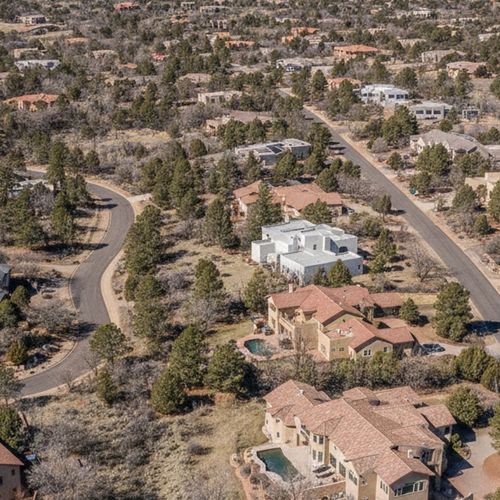


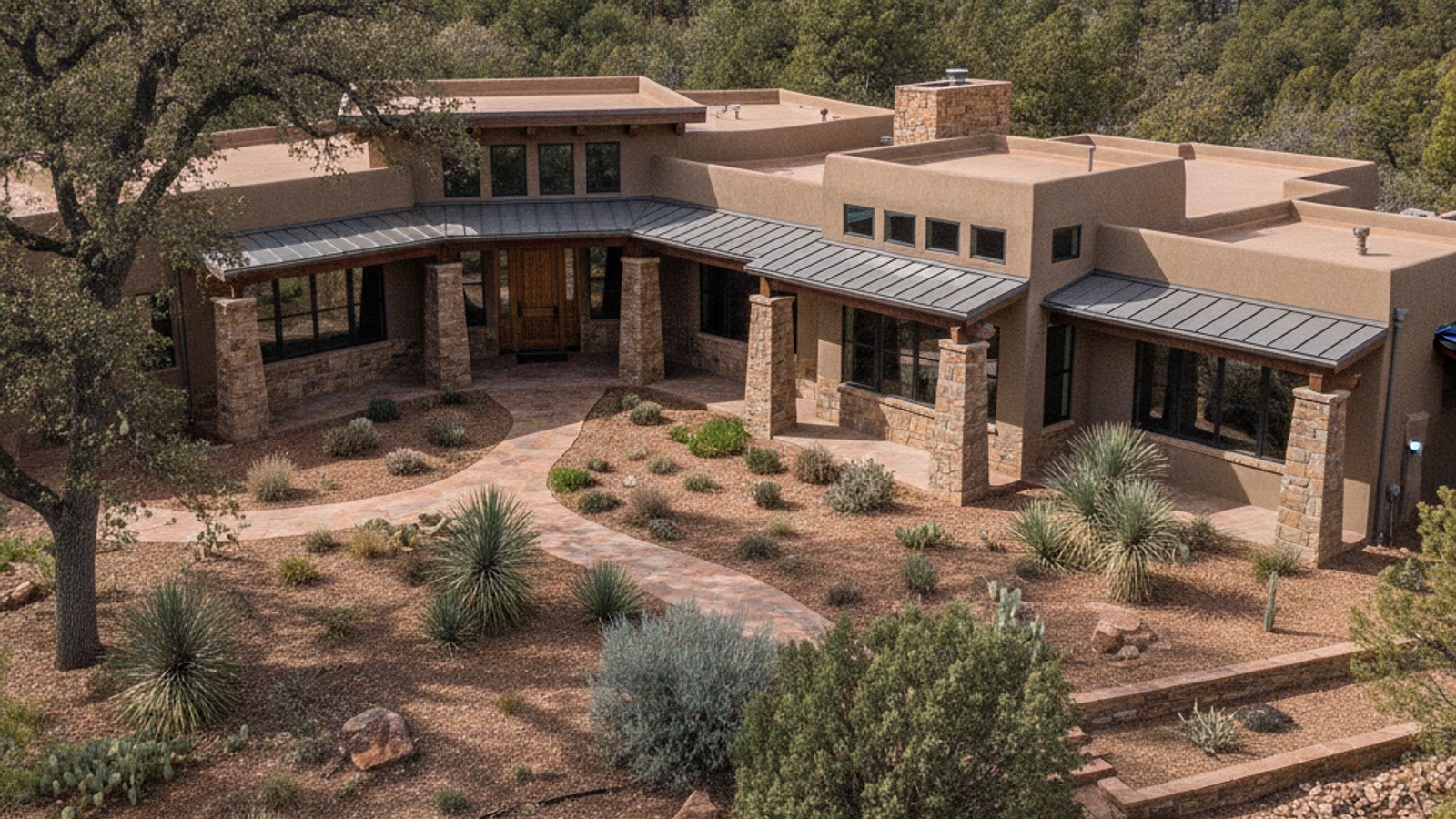
People relocating to Arizona often expect endless heat and desert cactuses. The reality in Yavapai County looks entirely different. Buyers researching the weather and climate in Prescott, AZ quickly discover a distinct four-season environment. The best real estate agent in Prescott, AZ can help you find a property equipped for these local conditions.
This central Arizona city sits at a mile high, completely changing the local temperature profile. You get warm summers, cool autumns, and real winter snow. Understanding these patterns helps you choose the right property and prepare for year-round living.
How Elevation Shapes the Local Seasons
The city sits at an elevation of approximately 5,200 feet above sea level. This altitude creates a climate distinct from both the low desert of Phoenix and the high alpine peaks of Flagstaff. Residents experience all four seasons without the temperature extremes found in other parts of the state.
The area averages about 277 sunny days per year. This abundant sunshine warms the air quickly during the day, even in the middle of January. When the sun sets, the thin mountain air allows temperatures to drop rapidly.
Buyers who move to Prescott from coastal areas often have to adjust to these sharp daily temperature swings. The lack of humidity means the atmosphere does not hold onto daytime heat overnight.
Rain, Snow, and Temperature Averages
July brings the warmest weather of the year, with average high temperatures peaking around 89 degrees Fahrenheit. Nights during mid-summer typically cool down into the 60s, offering natural relief from the daytime heat. By January, the average overnight low drops to roughly 25 degrees.
Daytime winter highs usually hover in the low 50s, making it comfortable to spend time outside if you wear layers. Precipitation arrives in two distinct phases throughout the year. The city records about 16 inches of rain annually, much of it falling during late summer storms.
Winter brings a different kind of moisture to the region. You will see about 13 inches of snow over the course of a typical winter season. These snowfalls usually arrive in small bursts of a few inches at a time.
The powerful Arizona sun melts most of this snow within a day or two of the storm passing. You rarely deal with long stretches of icy roads or persistent snow banks.
What to Expect During the Summer Monsoon
The Arizona monsoon season officially runs from mid-June through September, with the most active storms arriving in July and August. This weather pattern pulls moisture up from the south, fueling afternoon thunderstorms across Northern Arizona. These storms often develop rapidly over the mountains.
They bring sudden, intense bursts of rain, lightning, and strong winds. The heavy rainfall associated with these storms creates a risk for flash floods. Dry washes and river valleys throughout Yavapai County can fill with fast-moving water in a matter of minutes.
Homebuyers should review local flood maps before purchasing a property near these drainage areas. The monsoon also dramatically lowers the afternoon temperature. A 90-degree day can drop into the 70s as soon as the rain starts falling.
Adapting Your Home to Northern Arizona Weather
Winter overnight lows routinely drop into the 20s, requiring active property maintenance to prevent damage. Homeowners should winterize their exterior plumbing before the first freeze. This involves disconnecting garden hoses and insulating exposed outdoor pipes.
Homes with older single-pane windows often struggle to retain heat during these cold winter nights. Buyers should look for specific property features that match the local climate.
Energy-efficient windows: Double-pane glass helps regulate indoor temperatures during both summer heat and winter cold.
Robust HVAC systems: Properties need reliable central heating for the winter and capable air conditioning for July afternoons.
Covered outdoor spaces: Patios with built-in shade structures allow you to enjoy the mild spring and fall weather comfortably.
Proper drainage: Gutters and graded landscaping direct monsoon rainwater away from the foundation.
Outdoor Activities Across All Four Seasons
The Prescott National Forest surrounds the city, offering more than 400 miles of trails. The moderate climate allows residents to access these recreation areas virtually every month of the year. Hikers and mountain bikers often head out early in the morning during the summer to beat the afternoon thunderstorms.
During the cooler months, mid-day excursions offer comfortable temperatures and clear skies. Local waterways like Watson Lake and Lynx Lake draw crowds from spring through fall. The Granite Dells surrounding Watson Lake absorb heat from the sun, making early spring kayaking quite pleasant.
Lynx Lake sits at a slightly higher elevation, providing a cooler retreat during the warmest weeks of August. Even winter supports an active outdoor lifestyle. The light snowfall rarely closes trails for long, and many residents enjoy snowshoeing after a fresh storm.
The rapid snowmelt means you can often hike on dry dirt just a few days after a winter weather event.
Frequently Asked Questions About the Weather
Does it snow every year in Prescott, AZ?
Yes, the city receives an average of 13 inches of snow annually. Unlike the heavy accumulations seen in Flagstaff, these storms usually leave behind just enough powder to coat the pine trees. Road crews clear the main thoroughfares quickly, minimizing disruptions to daily commutes.
Is Prescott generally humid or dry?
The climate remains dry for the vast majority of the year. You will only feel noticeable humidity during the late summer monsoon season when thunderstorms pull moisture into the region. This dry air means that 85 degrees here feels much cooler than the same temperature in a coastal city.
Does Prescott experience tornadoes or hurricanes?
The region does not experience hurricanes, and tornadoes are rare in this mountainous terrain. The primary severe weather risks come from summer thunderstorms. These monsoon events can produce straight-line winds, hail, and localized flash floods.
Check out this article next