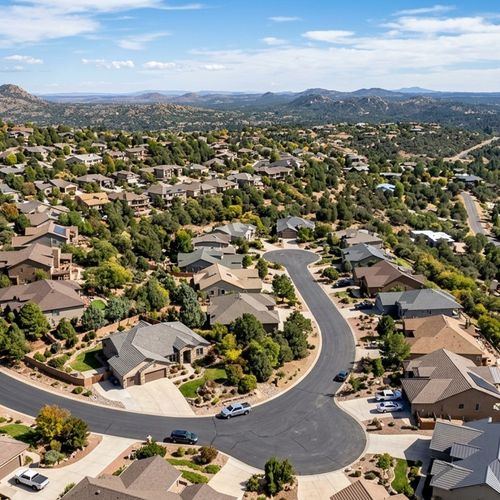


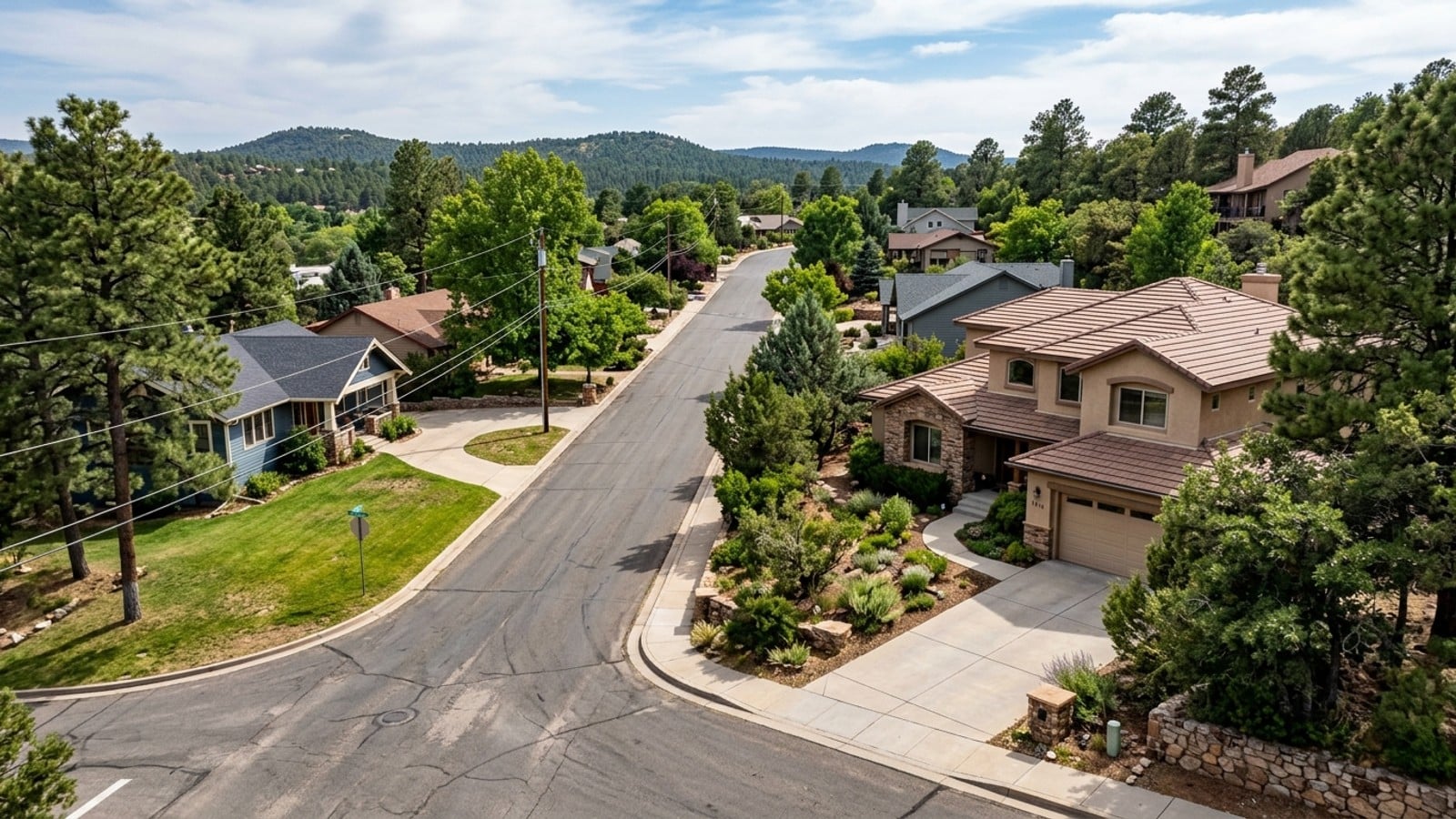
The median home price in the Prescott, AZ housing market sits around $675,000 as of mid-2026 - up about 15% year-over-year. That's a number that gets buyers focused on the purchase price, which is understandable, but your total monthly carrying cost is what you'll actually live with.
Property taxes are a real piece of that calculation, and they're not always intuitive here. With roughly 440 homes currently on the market and listings averaging 54 days before going under contract, you have time to do this research properly before you're under the gun.
How Prescott Assesses Property Values
Arizona runs a dual-value system, which trips up a lot of buyers who move here from other states. The Yavapai County Assessor assigns every property two separate numbers: a Full Cash Value (FCV) and a Limited Property Value (LPV). They're not interchangeable, and knowing which one drives your bill matters.
The Full Cash Value reflects market value. The Limited Property Value is what your tax bill is actually calculated on. Since Arizona voters approved Proposition 117 in 2012, both primary taxes (school districts, city government and county services) and secondary taxes (voter-approved bonds, overrides and special districts) are levied against the LPV. State law limits how much the LPV can increase from one year to the next, so a hot market doesn't automatically translate into an immediate, painful tax spike for people who already own here.
Primary vs. Secondary Tax Rates
Your total bill is the sum of two different rates, both applied to your Limited Property Value. Primary rates cover day-to-day operations - local government, public schools, the ongoing machinery of city and county services.
Secondary rates are where it gets more location-specific. They're based on the particular bonds your neighborhood's voters approved, which means two homes a few streets apart can carry slightly different secondary obligations depending on which district boundaries they fall inside. It's worth knowing before you fall in love with a specific address.
Estimating Your Tax Bill and Local Sales Taxes
The Yavapai County Assessor's office has online tools that let you look up current bills by address or parcel number. If you're looking at a home in the 86301 ZIP code, you can pull exactly what the current owner pays - no guessing, no statewide averages.
That's genuinely the right approach. A generic calculator won't account for the specific mix of primary and secondary charges on a given parcel. Pull the actual record.
Don't forget to factor in local sales taxes when you're building your budget for furniture, renovations, or day-to-day life after closing. Prescott's combined sales tax rate layers levies from the state of Arizona, Yavapai County, and the city itself.
Searching by Address
The county assessor updates tax records annually, so the data is current enough to be useful. When you look up a specific property, you'll see the LPV trajectory over time - which tells you something about where that primary tax bill is heading.
One thing buyers consistently underestimate: a home's assessed value is typically lower than what you paid for it. If you're buying at or near that $675,000 median, your tax bill will still be calculated on an assessed figure that trails the market price.
Paying Your Yavapai County Tax Bill
All property taxes in Prescott run through the Yavapai County Treasurer. You can view your annual statement, check your balance, and pay through the county's official online portal. If your mortgage includes an escrow account, your lender handles this automatically - you probably won't think about it until you see the year-end escrow analysis.
If you're paying directly, you need to hit the statutory deadlines set by the treasurer's office. Miss them, and you're looking at penalties and interest on the unpaid balance. It's a straightforward process when you stay on top of it, and an expensive one when you don't.
Public Records and Ownership
Property tax records in Arizona are fully public. Anyone can search the county database and see payment history, assessed values, and ownership details for any parcel in Prescott.
That transparency is useful to you as a buyer. You can verify that a seller is current before you're anywhere near closing, and your title company will pull the same data during the transaction to confirm there are no outstanding tax liens that would transfer to you with the deed.
Exemptions and Protections for Homeowners
Arizona has several programs that can reduce the tax burden for qualifying residents, but none of them are automatic. These exemptions apply to primary residences, and you have to apply through the county assessor's office to receive them.
The Senior Valuation Protection Option - commonly called the over-65 freeze - lets qualifying older adults lock in their property's assessed valuation, so appreciation in the surrounding market doesn't push their taxable value higher. The state also provides exemptions for widows, widowers, and completely disabled individuals, with eligibility tied to household income, property value limits, and residency status.
Appealing Your Assessment
If the Full Cash Value on your assessment looks higher than what the market actually supports, you can file an appeal. The Yavapai County Assessor opens a specific window each year to receive that kind of evidence.
What wins appeals is comparable sales data - recent sales of similar homes in your area that closed below your assessed value. Gather that documentation before the annual deadline. The window is real, and it doesn't stay open long.
Taxes on New Construction and Special Districts
New construction has its own timing quirk worth understanding. When a home is first built, the county may only tax the value of the land until the structure is completed and added to the rolls. That means your first-year tax bill on a new build can look deceptively low.
Once the county reassesses the finished home, the bill goes up to reflect the improved property value. Buyers who plan their budget around that first year's number sometimes get caught off guard.
Some newer developments in Prescott also sit inside Community Facilities Districts (CFDs) - special taxing districts created to finance local infrastructure like roads, water lines, and parks.
Community Facilities Districts (CFDs)
A CFD works similarly to a Mello-Roos district you might have encountered in other states. Homeowners inside the district pay an additional charge on their annual property tax bill to cover the bonds that funded that infrastructure.
Always ask whether a home you're considering falls inside a CFD. These assessments can add a meaningful amount to your annual carrying costs, and they stay in place until the underlying bonds are paid off - which can be a long time horizon.
Frequently Asked Questions
What is the current property tax rate for homes inside Prescott city limits?
The exact rate shifts each year based on the budgets of the city, Yavapai County, and local school districts. Your total rate is a combination of primary and secondary taxes applied to your home's assessed value.
Are property taxes cheaper in unincorporated areas of Prescott compared to living within city boundaries?
It depends on the specific location and what local services apply. Homes in unincorporated Yavapai County don't pay the city portion of the property tax, but they may be subject to different fire district or special district assessments.
What property tax exemptions are available for seniors and veterans in Yavapai County?
Arizona offers the Senior Valuation Protection Option, which freezes the assessed value for qualifying older adults. There are also exemptions available for widows, widowers, and disabled individuals who meet the income and property value limits.
When are property tax payments due in Prescott, and can I pay them in installments?
The Yavapai County Treasurer sets the statutory deadlines each year. If you don't have an escrow account, you can view your statement online and pay directly to the county.
How do I appeal my home's assessed value if my Yavapai County tax bill seems too high?
File an appeal with the Yavapai County Assessor during the designated annual window. You'll need comparable sales data demonstrating that your home's Full Cash Value is assessed above its actual market worth.
How are property taxes prorated between buyers and sellers during a Prescott real estate closing?
The title company calculates the exact amount owed for the portion of the year each party owned the home. The seller covers the days they held the property; you take on responsibility for the rest of the year.
Check out this article next