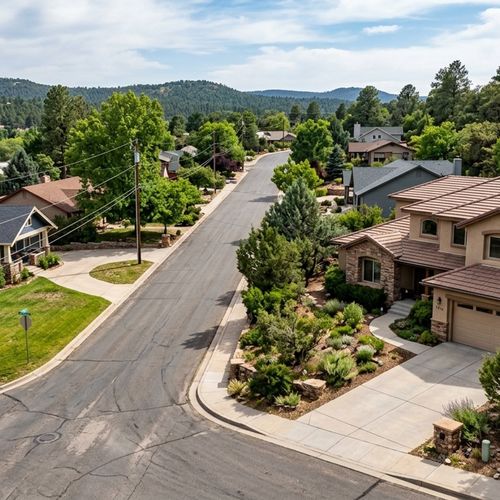


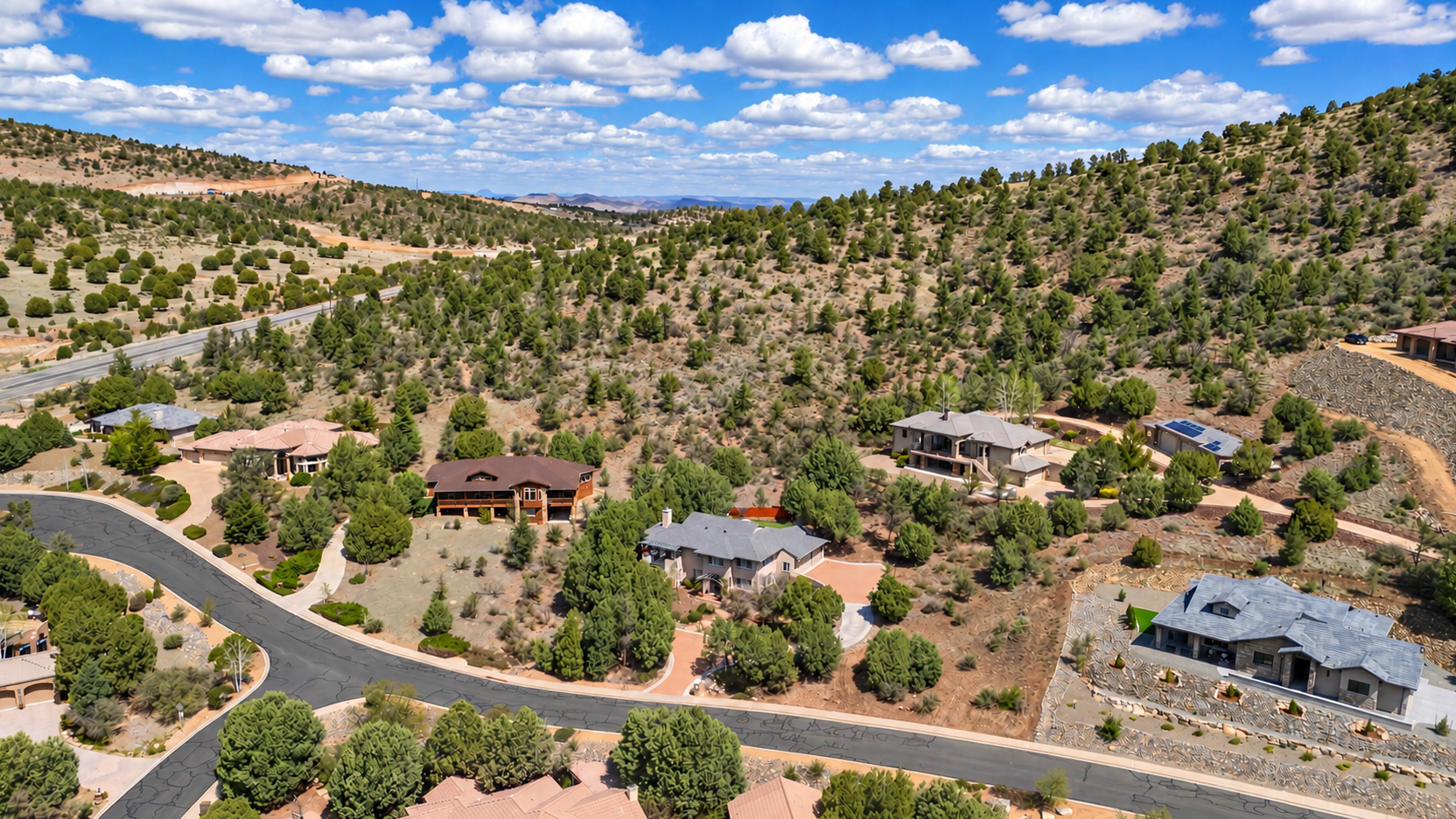
The median home price in Prescott, AZ sits around $675,000 as of mid-2026. If you are among the first-time home buyers in Prescott, AZ budgeting for a purchase, the down payment is only part of what you need to have ready - closing costs are a separate line item, and they're not small.
Closing costs are the administrative, legal, and financial fees required to finalize a real estate transaction. Knowing how they break down lets you read a loan estimate intelligently and show up to the closing table with the right amount of cash.
What Are Closing Costs When Buying a House?
A real estate transaction pulls in a lot of different parties - your mortgage lender, an appraiser, a title company, the county recorder. Each one charges for what they do, and all of those charges get bundled into your final settlement statement.
These expenses are separate from your down payment and are typically paid by wire transfer on or just before the day you sign your final documents. Some fees are fixed flat amounts; others scale with your loan size or the purchase price.
Down Payments Versus Closing Fees
Your down payment goes directly toward your equity in the home - it reduces what you need to borrow. Closing fees cover the cost of facilitating the transaction and securing the loan itself. Two different things, both due at the end of the process.
That's why buyers need to think carefully about liquid cash reserves. Your lender will verify you have enough to cover both before granting final approval.
How Buyer and Seller Fees Differ
Both sides of the transaction have their own expenses at the settlement table. Sellers typically pay their own listing brokerage fees and their share of title and escrow costs.
Buyers take on the costs tied to getting a mortgage and funding their escrow accounts. Because the buyer is the one borrowing money, most of the individual line-item fees land on their side of the ledger.
Average Buyer Closing Costs in the Prescott Area
Most estimates put Arizona buyer closing costs between 2% and 5% of the purchase price. On a $300,000 property, that's roughly $6,000 to $15,000 out of pocket.
Apply that same range to Prescott's median of approximately $675,000 and you're looking at an estimated $13,500 to $33,750. The exact number depends on your loan type, your lender's fee structure, and the size of your down payment.
Calculating Fees by Purchase Price
As the purchase price rises, the total dollar amount of your settlement charges goes up - though the percentage often drifts toward the lower end of the 2% to 5% range. On a $400,000 home, plan for roughly $8,000 to $20,000. A $500,000 property shifts that to $10,000 to $25,000, and a $600,000 home puts you in the $12,000 to $30,000 range.
The Three Percent Estimate
A lot of real estate professionals suggest using 3% of the purchase price as a working baseline. It's a realistic middle ground that covers standard origination fees, appraisals, and a typical escrow setup without catching you short.
Cash buyers generally come in under 3%, because they skip every lender-related charge. No origination fees, no mortgage insurance, no lender's title policy - a cash deal strips away a meaningful chunk of what's on that standard buyer cost list.
A Breakdown of Typical Buyer Fees in Arizona
Your loan estimate will detail every charge associated with the purchase, grouped into specific categories. It's worth reading carefully before you get anywhere near the closing table.
The fees generally fall into three buckets: lender charges, third-party services, and prepaid property expenses. Each one serves a specific function in securing the property and funding the loan.
Lender Charges and Appraisals
Origination fees cover the lender's administrative costs for processing and underwriting your mortgage, and they typically run between 0.5% and 1% of your total loan amount. You'll also pay for an appraisal - lenders require it to confirm the home's value matches the purchase price. In the Prescott market, appraisals generally cost a few hundred dollars and are often paid upfront rather than at the closing table.
Title Insurance Customs in Arizona
Title insurance protects against past defects in a property's ownership history. There are two policies: an owner's policy that protects you, and a lender's policy that protects the bank.
Under the standard Arizona Residential Purchase Contract, it's customary for the seller to pay for the buyer's owner's title policy. You, as the buyer, typically pay for the lender's title insurance policy.
Yavapai County Taxes and Escrow Reserves
Arizona doesn't charge a statewide or county-level real estate transfer tax - that's a real advantage compared to a lot of other states. For recording the transaction, Yavapai County charges a flat fee of $30 for most documents, such as deeds.
You'll also need to fund your escrow account, which holds money for future property taxes and homeowners insurance premiums. Lenders typically require several months' worth of those expenses upfront to establish the reserve.
Who Pays Which Fees at Settlement?
The division of costs between buyers and sellers isn't set by law - it's customary practice, and everything is open to negotiation. The standard Arizona purchase contract establishes the default assignments, but those defaults are a starting point, not a ceiling.
Understanding local norms matters when you're writing an offer. Ask a seller to deviate too far from what's customary, and they'll factor that into how they weigh your bid against the next one.
Standard Buyer Obligations
Buyers handle everything tied directly to their financing: mortgage origination fees, credit report charges, and the home appraisal. Add to that your own property inspections, the lender's title policy, and the initial funding of your escrow accounts. Those are the standard expectations in the Prescott area. Your buyer representation agreement spells out upfront how your agent is compensated, whether that's paid by you, by the seller through a negotiated concession, or a mix.
Standard Seller Obligations
Sellers pay their listing brokerage's fee, usually their largest single expense. Any contribution toward the buyer's agent compensation is negotiated in the purchase contract. They also customarily pay for the owner's title insurance policy and any agreed-upon home warranty plans. HOA transfer fees, if applicable, get addressed in the contract.
Ways to Lower Your Out-of-Pocket Expenses
Pulling together enough cash for both a down payment and settlement fees is one of the more stressful parts of buying a home. There are legitimate ways to reduce what you need to bring to the table - but the time to structure those strategies is before you write the offer, not after.
Talk to your real estate agent and mortgage broker early. Getting the offer structure right from the start gives you the best chance of keeping your upfront costs manageable.
Asking for Seller Concessions
You can negotiate for the seller to cover a portion of your closing expenses through seller concessions - you'd write a specific credit amount into the purchase offer. In a competitive situation, that request can make your offer less attractive. If the home has been sitting on the market for a few weeks, though, sellers tend to be more willing to grant credits to get a deal done.
Shopping for Lender Credits
Some lenders will credit part or all of your closing costs in exchange for a slightly higher interest rate. That lowers your upfront cash requirement but raises your monthly payment, so it's a trade-off worth running the numbers on.
You should also compare loan estimates from multiple lenders. Third-party fees like title and escrow stay relatively consistent no matter who you use, but origination fees and lender charges vary widely between institutions - and that difference comes straight out of your pocket.
Frequently Asked Questions
How much are average buyer closing costs for a home in Prescott, AZ?
Buyer closing costs in Arizona generally range from 2% to 5% of the purchase price. For a median-priced Prescott home around $675,000, buyers should expect to pay roughly $13,500 to $33,750, depending on their lender and loan type.
Do buyers pay a real estate transfer tax in Prescott or Yavapai County?
No. Arizona doesn't have a statewide or county-level real estate transfer tax. Buyers in Yavapai County pay a flat $30 recording fee for most standard documents like deeds, and that's it.
Are sellers currently willing to pay buyer closing costs in the Prescott market?
It depends entirely on the specific property and where things stand in the negotiation. Sellers customarily pay for the owner's title insurance policy, but getting them to cover your lender fees or escrow reserves means negotiating specific seller concessions - not a given in any market.
Are closing costs included in the down payment when buying a house in Prescott?
No - they're a separate expense. The down payment goes toward the home's equity; closing costs cover the administrative, legal, and lending fees required to finalize the transaction. Both are due at closing, but they're not the same thing.
Are buyer closing fees higher for new construction homes in Prescott versus resales?
It depends on the builder's contract. In a standard Arizona resale, the seller customarily pays for the buyer's owner's title insurance policy, but builders of new homes sometimes shift that cost - or others - to the buyer.
Exactly when do I have to wire the funds for my closing costs?
You'll wire the funds to your escrow company shortly before your final signing appointment. The escrow company handles the settlement fees and makes sure all parties - including the lender and county recorder - are paid correctly.
Connect with our team today and get first access to homes before they hit the market. Call The HYLAND GROUP at 928-445-2100.
Check out this article next