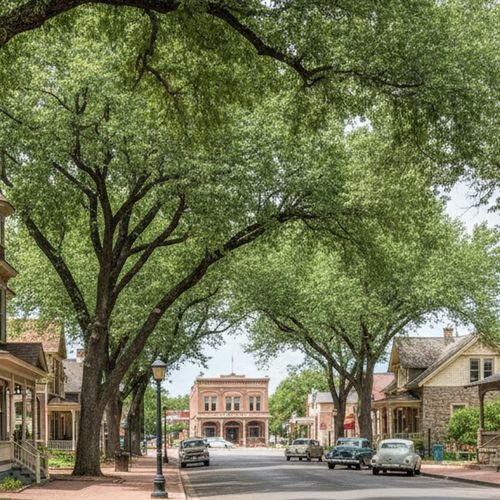


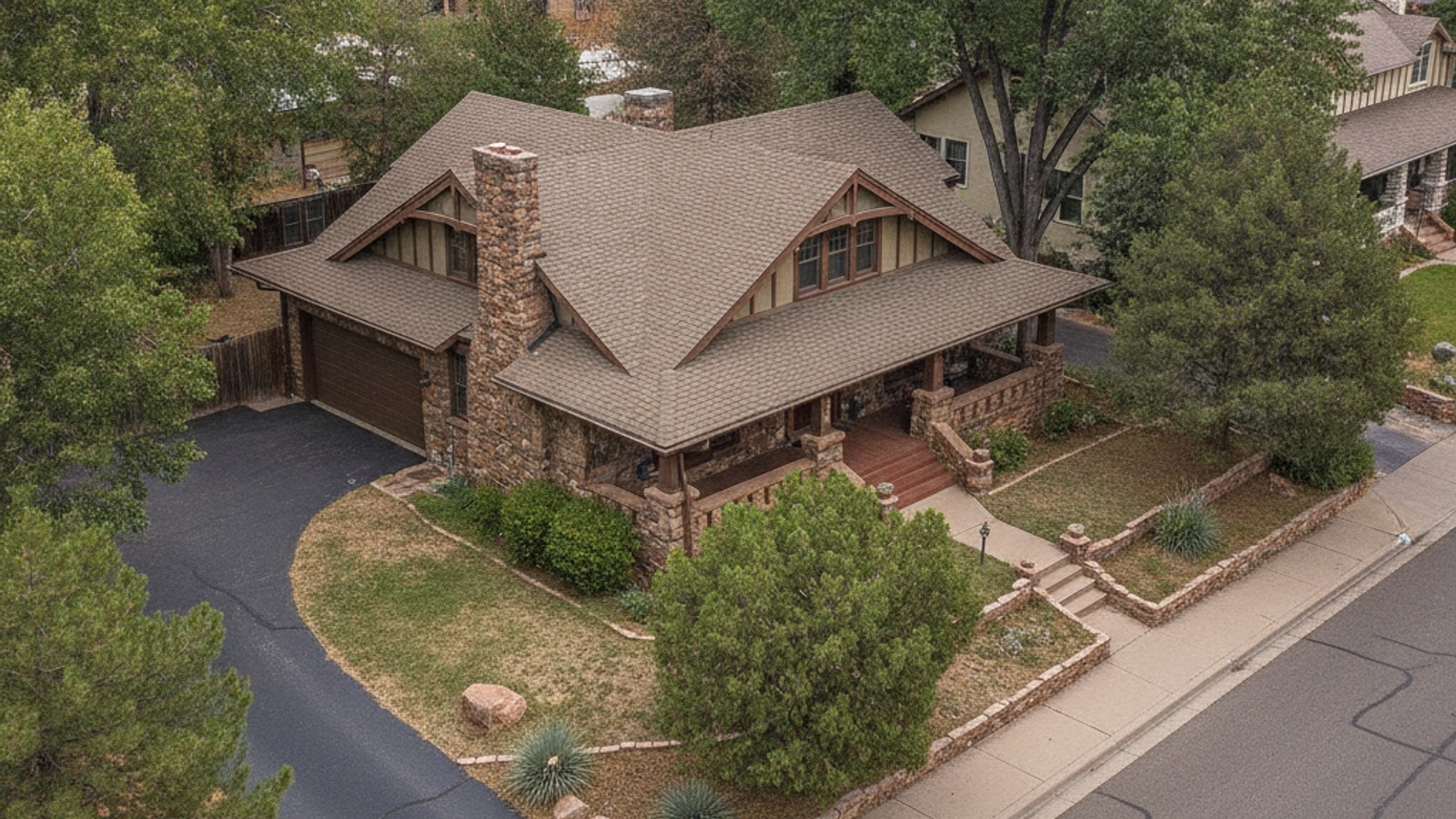
Prescott, AZ sits at an elevation of 5,300 feet, creating a distinct climate compared to the low desert of southern Arizona. This high desert environment delivers four distinct seasons. Summer highs mostly stay in the 80s to low 90s. If you are preparing to relocate, finding the best real estate agent in Prescott AZ will help you secure a home that fits your needs.
The city is located about 100 miles north of the Phoenix metropolitan area, translating to a drive time of roughly one hour and 40 minutes. Buyers looking at Northern Arizona often weigh the local housing costs, property taxes, and available amenities against the cooler temperatures.
Prescott Housing Costs and Market Trends
The median home price in Prescott, AZ sits between $600,000 and $613,000 as of mid-2026. Buyers find a wide mix of property types across the city. Options range from historic homes near the downtown area to newer master-planned developments on the outskirts.
Just to the east, the neighboring town of Prescott Valley, AZ offers a lower entry point with a median home price around $464,000. Properties in the broader market generally stay listed for 34 to 54 days before closing.
The inventory includes options for those seeking large open spaces and properties with immediate access to trail systems. Buyers should review days on market and recent neighborhood sales when formulating an offer.
Everyday Expenses and Property Taxes
The overall cost of living in Prescott runs about 14% to 24% higher than the national average. Housing accounts for the largest share of this premium, though transportation and groceries also factor into monthly budgets.
Yavapai County calculates property taxes using an assessed valuation system. The combined tax rate for the 2026 fiscal year is $1.9388 per $100 of assessed valuation. This keeps annual holding costs relatively low compared to states with higher municipal tax burdens.
This translates to an effective property tax rate of roughly 0.44% to 0.54% of a home's market value. For a median-priced home in the area, a typical annual property tax bill comes to approximately $1,671.
Job Market and Regional Employers
The local economy is driven by government services, healthcare, and retail distribution. State and local government entities, along with the Prescott Unified School District, represent a major portion of the workforce.
Dignity Health Yavapai Regional Medical Center is another top employer, supporting the region's medical infrastructure. The area also hosts large retail and distribution operations, including a Walmart center and the Lockheed Martin Flight Service Center in Prescott Valley, AZ.
A consistent demand for healthcare and local services drives continuous employment in the medical sector. The average hourly earnings for workers in the Prescott metropolitan area hover around $29.13, equating to an annual salary of approximately $60,590.
Road Networks and Commuting Expectations
State Route 69 and Highway 89 serve as the primary arterial roads connecting the local communities. About 35% of residents have a daily commute time of under 30 minutes.
Interstate 17 South is the main freeway connecting the high desert to Phoenix, AZ. The route drops several thousand feet in elevation as it moves south toward the Salt River Valley.
Drivers towing trailers or operating moving trucks should prepare for steep mountain grades along I-17. The route features several long inclines that test vehicle cooling systems during the warmer months. Commuters making regular day trips to Phoenix should factor these elevation changes into their fuel budgets and travel times.
Local Schools and Higher Education
The Prescott Unified School District operates the public K-12 education system for the city. The district maintains multiple elementary schools, middle schools, and a high school within the municipal boundaries.
Beyond the public district, the region offers several private and charter school options. The local public library system provides supplemental educational resources, study spaces, and community programs for students.
Prescott College serves as the primary local institution for higher education, offering undergraduate and graduate degree programs. The campus integrates into the downtown area, bringing student activity to the surrounding blocks.
Outdoor Recreation and Landmarks
Watson Lake is one of the most prominent natural features in the area, distinguished by the Granite Dells rock formations surrounding the water. The city manages the lake and its adjacent park facilities for day use and summer camping.
The Prescott Peavine National Recreation Trail follows the former Santa Fe Railway line, providing miles of flat terrain for mountain biking and hiking. For leisure closer to the city center, the historic Whiskey Row offers art galleries, live music, and dining. Residents also have direct access to the Prescott National Forest for longer trail runs and high-elevation hikes.
Local regulations define what activities are permitted on the municipal lakes. Visitors and residents can expect the following rules and options at Watson Lake:
Kayaking, canoeing, and boating are permitted with the appropriate local passes.
Anglers can fish for bass and crappie year-round.
Swimming is entirely prohibited in the lake.
The surrounding park offers rock climbing routes and a disc golf course.
Hospitals and Medical Facilities
Dignity Health Yavapai Regional Medical Center operates as the primary hospital system for the region. The West campus, located at 1003 Willow Creek Road in Prescott, AZ, provides emergency care, an intensive care unit, and surgical services.
The hospital network also maintains an East campus in Prescott Valley, AZ to serve the growing population on that side of the region. This secondary location helps distribute emergency room volume across the two towns. It also provides closer access for residents living near the State Route 69 corridor.
Outpatient clinics, specialized care centers, and independent medical practices operate throughout the area. Residents generally do not need to travel to Phoenix for routine procedures or standard specialist visits.
Frequently Asked Questions
Why are people moving to or out of Prescott, AZ?
Many incoming buyers relocate to escape the extreme summer heat of the lower deserts while remaining in Arizona. Conversely, those leaving often cite the 14% to 24% higher cost of living compared to the national average, or a desire for a larger corporate job market.
Can a single person live comfortably on $100,000 in Prescott, AZ?
An income of $100,000 sits well above the local average salary of $60,590, making daily expenses manageable for a single earner. However, purchasing a home at the $613,000 median price point on a single income requires a substantial down payment to keep monthly mortgage obligations in check.
What is the weather like in Prescott compared to Phoenix?
Prescott sits roughly 4,200 feet higher than Phoenix, so temperatures run 15 to 20 degrees cooler than the Phoenix metropolitan area. Residents experience a true four-season climate, including a summer monsoon season and occasional winter snowfall, rather than the year-round dry heat of the valley.
Check out this article next