

The median home price in Yavapai County sits right around $595,000 as of mid-2026. Buyers researching the Cost of Living in Prescott, AZ quickly realize that housing drives the bulk of their monthly budget. Working with the best real estate agent in Prescott, AZ helps you understand these expenses and plan a successful relocation to the high desert.
Beyond the mortgage, everyday expenses like utilities, groceries, and transportation shape the total financial picture. Comparing these local costs to the national average helps incoming residents decide if the area aligns with their income.
What You Will Pay for Housing and Real Estate
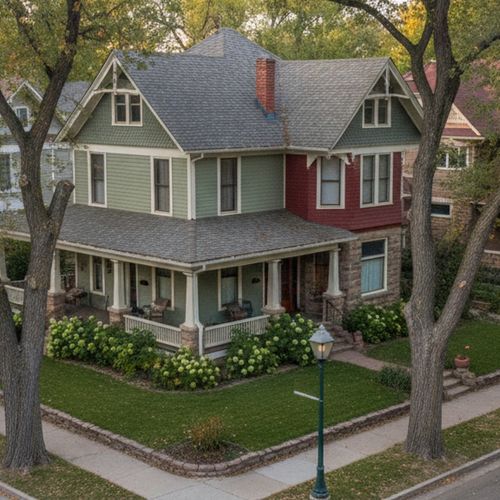
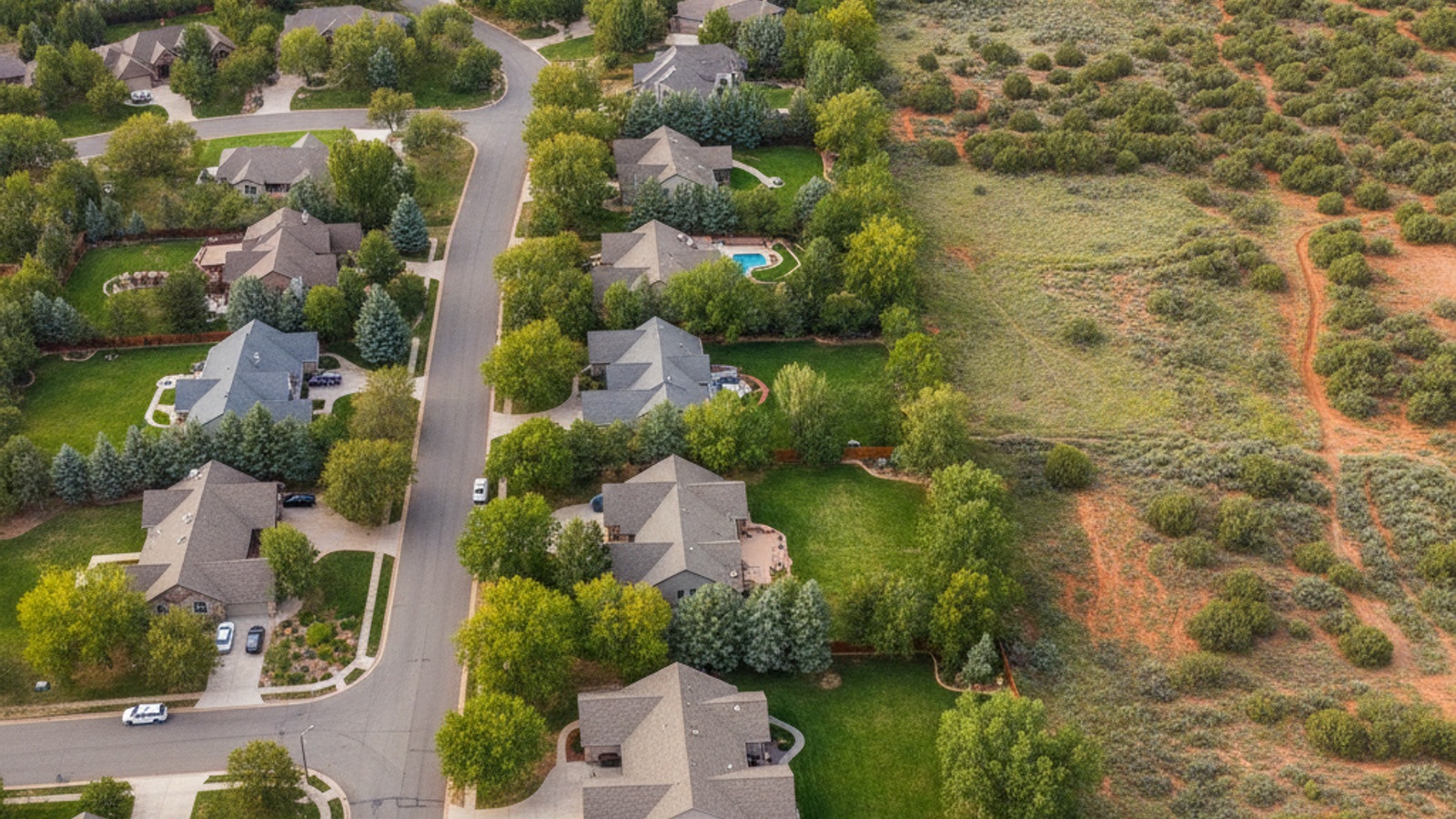
A typical single-family home in the area runs between $585,000 and $613,000 today. This pricing reflects steady demand from buyers relocating from larger western cities. Available homes range from historic properties near the downtown plaza to newer builds in master-planned developments.
Renters face average monthly rates around $1,800 across all property sizes. A standard one-bedroom apartment generally costs about $1,438 per month. Finding a rental often requires moving quickly, as available units fill up fast during the spring and summer months.
These real estate prices sit higher than the historical national average, meaning buyers should prepare for substantial down payments. Factoring current mortgage rates into your household budget early prevents surprises during the loan approval process. Buyers should also account for homeowners association fees if they target planned communities.
Monthly Utility Bills and Property Taxes
Homeowners in Yavapai County benefit from an effective property tax rate of roughly 0.44% to 0.47%. This low rate provides a noticeable offset to the area's higher home purchase prices. A lower annual tax burden keeps the total monthly mortgage payment more manageable.
Utility costs also tend to fall below the national average, though seasonal weather swings impact monthly usage. Summer heat requires consistent air conditioning, while winter temperatures at this 5,200-foot elevation bring heating demands. Most homes use electric heat pumps or natural gas furnaces to stay warm.
Tracking these utility and tax expenses helps determine your true monthly housing payment. A typical household can expect the following baseline costs when setting up their budget:
Basic utilities, including electricity, water, and garbage collection, average $190 to $200 per month.
Internet service runs roughly $70 to $85 depending on the provider and speed tier.
Annual property taxes on a $600,000 home amount to about $2,640 to $2,820.
Grocery Prices and Everyday Household Expenses
Food costs in the area run about 2% above the national average in 2026. A single person spending $350 a month on groceries elsewhere might spend closer to $360 at local supermarkets. Families filling a larger cart will notice this slight premium over time.
Standard items like a gallon of milk, a loaf of bread, and fresh produce carry higher price tags compared to bulk pricing in major metros like Phoenix. Transportation costs to bring goods up Highway 69 into the higher elevation of Yavapai County contribute to these retail prices. Shoppers rely on a mix of national chains and regional grocers to stock their pantries.
Buyers should budget a bit extra for household supplies and dining out. Local restaurants and grocery stores adjust their pricing to match the regional supply chain realities. Planning meals around seasonal produce can help keep these everyday expenses in check.
Transportation Expenses and Daily Commuting
Gas prices hover around $3.11 per gallon in mid-2026. Most residents rely on personal vehicles to get around town and commute to work. The layout of the city makes driving the most efficient way to run errands and attend appointments.
Public transportation exists but operates on a limited schedule compared to urban transit networks. The local bus system provides basic connectivity along main corridors, but a car remains the most practical way to reach major job centers and shopping districts. Biking is popular for recreation but less common for daily commuting.
Commuting times generally stay under 25 minutes for trips within the city limits. Those driving down to the Phoenix metro area for work or flights face a trip of about 90 miles down Interstate 17. This frequent highway driving adds to long-term vehicle maintenance and fuel costs over the year.
Healthcare Costs and Local Amenities
Medical expenses in the region sit approximately 7% lower than the national average. This reduction applies to routine doctor visits, dental cleanings, and standard health care services. Local facilities like Yavapai Regional Medical Center handle most routine and emergency medical needs.
Lower healthcare costs make the area attractive for those looking to retire or manage fixed incomes. Access to local specialists and regional medical centers means residents do not always have to drive to Phoenix for care. Having these services nearby adds tremendous value to the local standard of living.
The surrounding geography offers extensive outdoor recreation that enhances daily life without requiring expensive memberships. Residents frequently utilize the free or low-cost trails at Prescott National Forest and the water access at Watson Lake. This easy access to nature supports an active lifestyle year-round.
Local Job Market and Average Salaries
The average monthly net salary in the area is approximately $5,400 after taxes. This income level supports the baseline expenses for a single professional or contributes to a dual-income household budget. Salaries here tend to trail the compensation offered in major coastal cities.
Major employers in Yavapai County include local government, healthcare providers, and the education sector. Retail and hospitality also provide a substantial number of jobs, though these positions typically offer lower starting wages. The rise of remote work has brought more high-earning professionals into the local economy.
Workers relocating without remote jobs should secure employment before buying a house. Aligning your expected salary with local real estate prices ensures your debt-to-income ratio stays within acceptable limits for a mortgage. Lenders will closely examine local pay stubs during the underwriting process.
Frequently Asked Questions
What is the Cost of Living in Prescott, AZ compared to Phoenix?
Housing prices in Yavapai County often exceed those in the Phoenix suburbs, driven by limited land availability and high demand. However, residents save money on property taxes and summer cooling bills. A typical household spends less on electricity in July but pays a premium for daily groceries.
Can a single person live comfortably on $100,000 a year in Prescott?
A $100,000 salary translates to about $8,333 gross per month, which easily covers the $1,438 average rent for a one-bedroom apartment. This income level leaves plenty of room for transportation, healthcare, and saving for a down payment. Buyers purchasing a $600,000 home on a single income will find their budget much tighter.
How much are property taxes in Yavapai County?
The effective tax rate ranges from 0.44% to 0.47% of the assessed property value. On a home valued at $585,000, the annual tax bill comes out to roughly $2,600. These lower rates provide lasting savings compared to states with taxes exceeding two percent.
Check out this article next