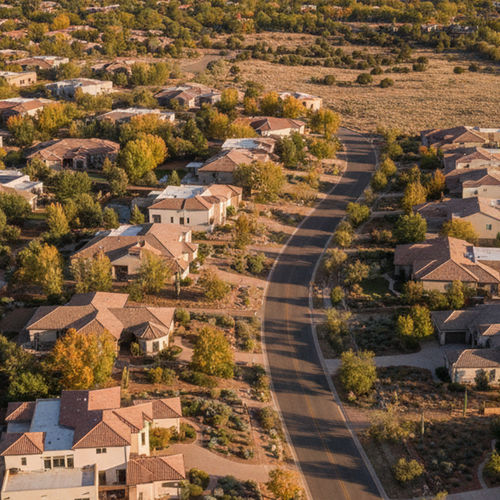


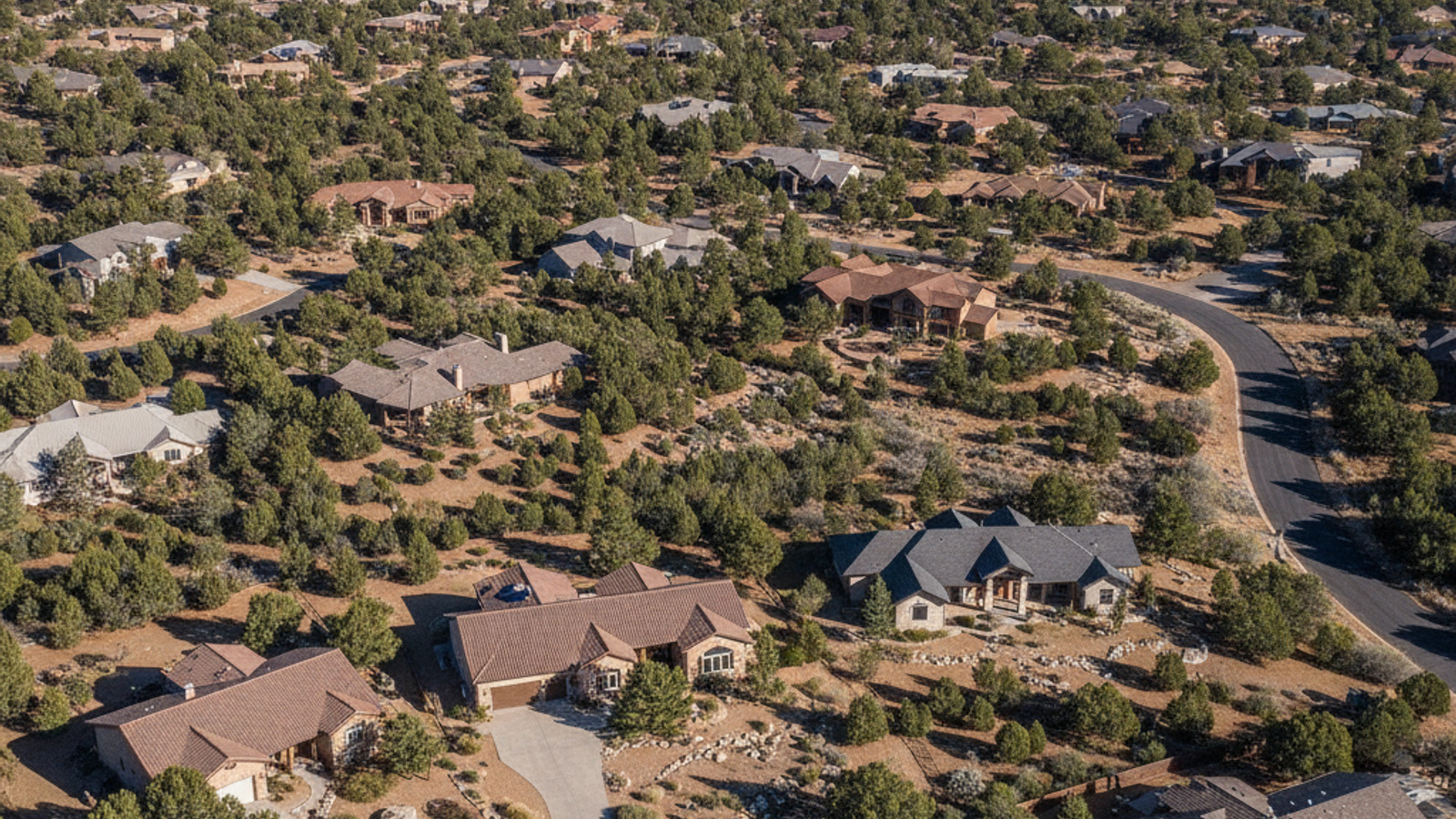
The median sale price in Prescott, AZ sits around $675,000 for the summer of 2026. For homeowners planning to list their property this year, capturing that equity requires a clear understanding of what local buyers prioritize in the high desert. Consulting with the best real estate agent in Prescott, AZ provides a distinct advantage.
Buyers and sellers are operating in a market with roughly four months of supply, giving purchasers more time to evaluate options than they had a few years ago. Preparing a house for the MLS means focusing on the specific features that drive demand in Yavapai County, from outdoor living spaces to energy-efficient interiors.
Current Real Estate Trends in Yavapai County
Active listings in Prescott reached approximately 440 homes heading into the middle of the year. With homes spending an average of 54 days on the market, sellers should anticipate a steady, predictable timeline rather than an overnight bidding war.
The average sale-to-list ratio is hovering around 97.7%. This data shows that buyers are negotiating slightly below the asking price on most transactions, though well-prepared properties still command top dollar. Only about 14% of homes are selling above list price, reinforcing the need to price accurately from day one.
Supply and demand remain relatively balanced. A four-month inventory supply gives buyers enough choices to be selective, making property condition a deciding factor. Sellers who present a move-in ready home often see shorter listing periods and stronger initial offers.
Exterior Upgrades for High-Desert Climates
Prescott's mile-high elevation brings distinct weather patterns, including dry summers and occasional winter snow. Upgrading a property's exterior to handle these conditions directly impacts a buyer's willingness to meet your asking price.
Curb appeal in this region centers on low-water usage and fire safety. Buyers frequently look for yards that require minimal upkeep while offering functional spaces for year-round use.
Drought-tolerant landscaping: Replacing thirsty grass with native plants, crushed granite, and drip irrigation lowers water bills and reduces weekend maintenance.
Defensible space: Clearing brush, trimming low-hanging branches, and moving firewood away from the structure mitigates wildfire risk.
Functional outdoor living: Adding a composite deck or a shaded patio expands the usable square footage of the home, giving buyers an immediate space to entertain.
Indoor Renovations That Pay Off
A pre-listing appraisal typically costs between $400 and $600 and provides a clear baseline for your property's current worth. This report helps identify which interior repairs will yield the best return on investment before hitting the market.
Full-scale remodels rarely recoup their entire cost during a sale. Instead, sellers should focus on minor cosmetic updates like fresh interior paint, updated cabinet hardware, and modern lighting fixtures. These smaller projects eliminate visual distractions and help buyers picture themselves in the home.
Energy efficiency remains a top priority for purchasers comparing older homes to new construction. Upgrading to a smart thermostat, sealing windows, or servicing the HVAC system ensures the house is ready for both winter heating and summer cooling. Turnkey properties consistently outperform those requiring immediate maintenance.
How Location and Amenities Shape Property Prices
Homes located within a mile of the Prescott National Forest trailheads routinely attract outdoor enthusiasts willing to pay a premium. Immediate access to hiking and mountain biking trails is a primary reason many buyers choose this specific part of Arizona.
Proximity to water also shifts valuation. Properties positioned near Watson Lake benefit from the recreational draw of kayaking and the scenic views of the Granite Dells. Buyers factor these natural amenities into their offers, often prioritizing them over interior square footage.
Daily commute routes dictate demand for properties slightly further from the city center. Easy access to Highway 89 allows for straightforward travel throughout Yavapai County, making those neighborhoods appealing to a broad range of buyers. Conversely, homes requiring long drives down unpaved roads may sit on the market longer.
Preparing Your Listing for the Local MLS
Over 90% of buyers start their home search online through platforms like Zillow, which pull data directly from the local MLS. Working with a real estate agent to syndicate your listing ensures maximum visibility across all major real estate portals.
Sellers living in planned communities should review their HOA documents before scheduling listing photos. Buyers will ask about monthly dues, rental restrictions, and architectural guidelines during the inspection period, so having this information readily available speeds up the transaction.
Once a buyer submits an offer, the title and escrow process typically takes 30 to 45 days. During this window, the buyer's lender completes a formal real estate appraisal to verify the home's value. Pricing the property correctly from the start prevents appraisal shortfalls that can delay or derail the closing.
Frequently Asked Questions
What is the current state of the Prescott, AZ housing market?
The median sale price sits around $675,000 as of mid-2026, with roughly 440 active listings available. Homes are spending an average of 54 days on the market, indicating a balanced environment for both buyers and sellers.
What factors influence home values in Prescott, AZ?
Proximity to outdoor recreation like Watson Lake and the national forest trails drives demand. Structural condition, energy efficiency, and a property's wildfire defensible space also directly impact the final appraisal figure.
How do Prescott, AZ home prices compare to nearby areas like Prescott Valley?
Prescott generally maintains higher median prices due to its historic downtown and immediate forest access. Prescott Valley often presents slightly lower price points and more new-construction developments, attracting buyers looking for different neighborhood layouts.
Should I renovate before selling or sell as-is in Prescott?
Sellers should focus on minor cosmetic updates and deferred maintenance rather than full-scale remodels. Move-in ready homes sell faster, but major renovations rarely return their entire cost at the closing table.
Which exterior and interior improvements offer the highest ROI for Prescott homes?
Outside, drought-tolerant landscaping and functional decks yield strong returns. Inside, fresh paint, modern lighting, and serviced HVAC systems provide the most cost-effective ways to attract buyers.
How do I price my home correctly in Prescott to avoid it sitting on the market?
Review recent comparable sales within your specific subdivision from the past three to six months. Since the average sale-to-list ratio is 97.7%, overpricing leaves the home vulnerable to sitting active for months.
What are the most effective steps to sell a home fast in the Prescott market?
Price the home based on current MLS data, clear out personal clutter, and address any obvious repairs before listing. Partnering with a local agent to market the property ensures it reaches the widest pool of qualified buyers.
Check out this article next